Menu Close

Author: Harold Morris

The Importance of Davie FL Pest Control for Protecting Your Property

Man spraying insecticide on grass in lawn. stock photo

Termites are often referred to as “silent destroyers” because they can cause significant structural damage before their presence is even detected. Regular termite inspections are essential for safeguarding your property and ensuring that these destructive pests are identified and addressed promptly. Here’s why routine inspections matter and the benefits they provide to homeowners and property managers.

Effective Pest Removal Davie FL to Prevent Structural Damage

One of the most compelling reasons to schedule regular termite inspections is the financial impact of unchecked infestations. Termites feed on cellulose, which is found in wood, paper, and other organic materials. Over time, this feeding can compromise the structural integrity of your home or building.

  • Sagging floors or ceilings
  • Hollow-sounding wood when tapped
  • Unexplained cracks in walls or beams

By catching infestations early, you can avoid extensive repairs that may cost thousands of dollars. A routine inspection ensures that termites are identified before significant damage occurs.

Safeguard Your Property Value with an Exterminator Davie FL

Homes with a history of unchecked termite damage may face reduced resale value or difficulty during property transactions. Many potential buyers require pest inspection reports before purchasing a home, and a history of termite problems can deter them from making an offer. Regular inspections demonstrate proactive maintenance and give buyers confidence in the condition of your property.

Inspection Frequency Recommended Action
Annually Routine termite inspection by a licensed professional
Every 6 months For high-risk areas (warm climates or wooded regions)

Effective Pest Control Services Davie FL to Prevent Infestations

Termites tend to establish colonies that grow over time. Without intervention, these colonies can expand into other areas of your home or even neighboring properties. Regular inspections help contain infestations by identifying problem areas early on—such as nests, mud tubes, or damaged wood—so targeted treatments can be applied immediately.

Early Detection Saves Money on Treatment

Treating advanced infestations is more expensive than addressing smaller colonies caught early during regular inspections. Effective treatments like bait systems or spot treatments can often halt infestations at an earlier stage when detected through routine monitoring.

  • Reduced chemical usage
  • Faster resolution times
  • Lower treatment costs overall

Peace of Mind for Homeowners

Knowing that your home is free from termites provides peace of mind for homeowners who want to protect their investment long-term. Even if no termites are found during an inspection, professionals can provide advice on prevention strategies tailored to your location and home’s structure.

  • Addressing moisture issues around foundations
  • Removing wood debris from close proximity to structures
  • Using non-cellulose-based building materials in vulnerable areas

Regular termite inspections aren’t just about mitigating risks; they’re about preserving the safety, value, and longevity of your property while avoiding unnecessary expenses down the road.

The Hidden Dangers of Ignoring Termite Inspections and Prevention

Termites might seem like insignificant pests at first glance, but ignoring regular inspections and prevention can lead to extensive damage to your property. These “silent destroyers” work behind the scenes, and without proper attention, their presence can turn into a costly problem.

Structural Damage to Your Property

One of the most significant risks of neglecting termite control is the structural damage they can cause over time. Termites feed on cellulose found in wood and other plant-based materials, compromising the integrity of your home’s foundation, walls, flooring, and even furniture.

  • Weakening Support Beams: Over time, termites hollow out wooden beams from within, weakening their ability to bear weight.
  • Hidden Framework Issues: Termites often attack areas that are hard to see or access, such as crawl spaces or behind drywall.
  • Sagging Floors and Ceilings: Over-infested areas may exhibit visible signs like sagging or buckling due to extensive damage.
Type of Damage Cause Result
Weak Wooden Structures Internal termite burrowing Loss of structural strength
Surface Damage Mud tubes or visible gnaw marks Aesthetic degradation
Electrical System Failure Termites chewing through wiring Potential fire hazard

Financial Implications

Ignoring termite inspections can become a financial burden. Repairing termite-induced damage is significantly more expensive than scheduling regular inspections or adopting preventive measures.

  1. Rising Repair Costs: The longer termites are left unchecked, the costlier the repairs will become.
  2. Reduced Property Value: A property with active or prior infestations may lose value during resale.
  3. Increased Insurance Gaps: Many homeowners’ insurance policies do not cover termite damage since it’s considered preventable through routine maintenance.

Health Risks Related to Termite Infestations

  • Mold Growth: Moisture attracted by termites can lead to mold formation in infested wood.
  • Allergic Reactions: Dust from damaged wood could aggravate allergies for sensitive individuals.
  • Compromised Air Quality: Debris from prolonged infestations might reduce indoor air quality over time.

Why Prevention is Better Than Cure

Preventing a termite infestation is far more manageable than addressing its aftermath.

  • Routine inspections help identify early warning signs before major damage occurs.
  • Preventive treatments safeguard vulnerable wooden structures from becoming food sources for termites.
  • Early detection leads to quicker intervention with less invasive solutions.

To avoid facing these hidden dangers, investing in regular termite inspections and prevention strategies is essential for maintaining your home’s structural safety and value. Always consult a licensed pest control professional who can provide expert advice tailored specifically for your property type and location.

The Hidden Dangers of Ignoring Termite Inspections and Prevention

Termites may be small, but they pose a significant threat to the structural integrity of your property. Ignoring termite inspections and prevention strategies can lead to costly damages, safety risks, and even long-term harm to your investment. Recognizing these dangers is essential in protecting both residential and commercial properties from this silent threat.

Irreversible Structural Damage

One of the most serious risks of neglecting termite inspections is the potential for extensive structural damage.
Floor joists
Support beams
Wall studs

Over time, this damage can compromise the stability of your property. Replacing or repairing these elements can become a significant financial burden.

Safety Hazards

Beyond the financial costs, unchecked termite infestations can create safety concerns:
1.Weakened Structures– Damaged wood may result in floors or ceilings buckling under pressure.
2.Falling Debris Risks– Walls or beams could collapse unexpectedly if left unrepaired.
3.Electrical Malfunctions– Termites often chew through wiring insulation, increasing the risk of electrical fires or outages.

Financial Consequences

The cost implications of untreated termite activity go far beyond repairs:
Decreased Property Value– A history of extensive termite-related damage may reduce a property’s resale value.
Insurance Limitations– Many homeowner insurance policies do not cover termite-related damages, leaving you responsible for all repair expenses.
Increased Treatment Costs– The longer an infestation goes undetected, the more expensive it will be to eradicate.

Time Ignored Potential Damage Cost Risk Level
< 6 Months $500 – $1,500 Low
1 Year $3,000 – $5,000 Moderate
2+ Years $10,000+ High

Environmental Impact on Neighboring Properties

When termites are left untreated in one property, they can easily spread to neighboring homes and businesses. This creates an ongoing cycle of infestation that could affect entire communities.

Why Prevention Is Key

  • Detect hidden infestations before they cause noticeable harm.
  • Implement proactive treatments to create barriers against termites.
  • Identify environmental factors (like moisture issues) that attract termites in the first place.

Ignoring termite inspections does not just threaten your home—it puts your finances and safety at risk while also endangering surrounding properties. Scheduling routine inspections and adopting preventive measures are smart ways to safeguard your investment from these destructive pests.
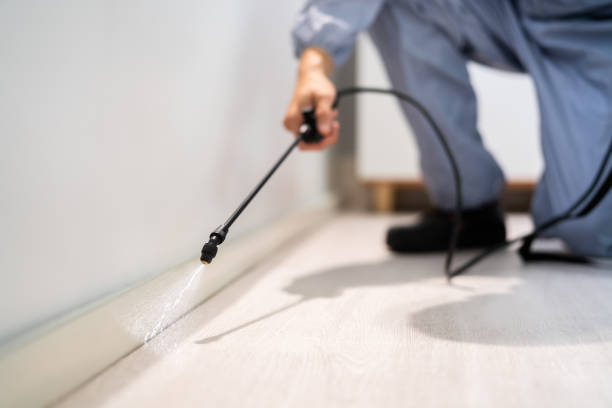
Pest Control Exterminator Man Spraying Pesticide stock photo

How a Pest Control Company Davie FL Can Protect Your Home from Termites

Termites are often referred to as “silent destroyers” because of their ability to cause extensive damage to structures without immediate detection. Their activity occurs primarily within walls, beneath floors, and in other concealed areas of a building. This makes it challenging for property owners to identify an infestation until significant harm has been done. Understanding the nature of termites and the risks they pose is essential for safeguarding your property.

How Termites Operate Undetected

Termites are particularly dangerous because they thrive in hidden spaces with minimal visibility.
Subterranean Habitats: Many termite species, such as subterranean termites, build their colonies underground, traveling through mud tubes to reach food sources. These mud tubes often go unnoticed until damage becomes visible.
Hidden Feeding Patterns: Termites consume wood from the inside out, leaving outer surfaces intact while hollowing structural timbers within walls or floors.
Quiet Behavior: Unlike pests that create noise or leave obvious droppings, termites can quietly work under the radar for months or even years.

Damage Caused by Termites

The damage inflicted by termites extends beyond wood consumption and can compromise the integrity of an entire structure.

Type of Damage Description Examples
Structural Weakens load-bearing wooden elements like beams and joists Sagging floors, misaligned doors/windows
Cosmetic Damages non-supportive structures like furniture or wall coverings Bubbled paint, damaged wallpapers
Financial Leads to expensive repairs if left unchecked Exorbitant restoration costs post-inspection

Why They Pose a Long-Term Threat

  1. Rapid Colony Growth: A single termite queen can lay thousands of eggs annually, enabling infestations to grow exponentially over time if left untreated.
  2. Undermined Property Value: Homes with termite damage may face reduced resale values since buyers are wary of repair costs and structural weaknesses.
  3. Secondary Consequences: In some cases, weakened structures from termite activity may lead to safety hazards like collapsing ceilings or weakened foundations.

Steps for Protecting Your Property

  • Schedule annual termite inspections conducted by licensed professionals with expertise in pest control.
  • Install physical barriers during construction phases such as termite shields or treated soil barriers.
  • Remove potential food sources such as wood debris near foundations or excessive moisture around plumbing leaks.
  • Invest in preventive treatments like bait stations or liquid termiticides when necessary.

By understanding how termites operate silently but destructively and taking consistent preventive steps against them, you can better protect your property from costly damages over time.

The Benefits of Early Termite Detection and Effective Treatment Solutions

When it comes to protecting your property, early termite detection is vital. These silent invaders can cause significant structural damage before you even realize they are there. Identifying and addressing termite issues promptly can save you time, money, and stress. Below, we explore the benefits of early termite detection and the value of effective treatment strategies.

Why Early Detection Matters

  • Minimized Structural Damage:
    Spotting termites early prevents long-term infestations that could severely damage wooden structures, foundations, and other vulnerable areas in your property.
  • Cost Savings:
    Treating a minor infestation is far more affordable than addressing widespread damage or extensive repairs caused by prolonged activity.
  • Preservation of Property Value:
    Regular inspections ensure that termites don’t compromise the structural integrity of your home or business, maintaining its resale value.

Signs That Indicate Termites May Be Present

  • Mud tubes along walls or foundations
  • Hollow-sounding wood when tapped
  • Discarded wings near windowsills or doorways
  • Peeling paint that resembles water damage

Effective Termite Treatment Solutions

Once termites are detected, selecting an appropriate treatment plan is crucial for eradicating the problem and preventing recurrence.

Treatment Method Description Best For
Liquid Termiticides Creates a chemical barrier around the property to kill existing termites Preventing reinfestation
Termite Baiting Systems Attracts termites to bait stations with slow-acting pesticides Active infestations
Fumigation Utilizes gas pesticides to eliminate termites in large-scale infestations Severe infestations in enclosed areas
Wood Treatments Applies termiticide sprays or foams directly onto exposed wood surfaces Targeted applications

Each solution has its strengths depending on the severity of the infestation and property type.

Advantages of Partnering with Professionals

  • Access to industry-grade tools and chemicals for efficient pest removal.
  • Expertise in identifying hidden colonies or hard-to-detect problem areas.
  • Customized treatment plans tailored to your property’s unique needs.
  • Long-term monitoring services to ensure lasting protection.

Early termite detection coupled with effective treatments not only safeguards your investment but also provides peace of mind knowing your property remains secure from destructive pests. By staying vigilant and working with a licensed pest control specialist, you can significantly reduce the risks associated with termite damage while maintaining the health and safety of your home or business environment.


Effective Pest Removal in Davie, FL: New Construction Inspections and Termite Prevention

Exterminator, hygiene, disinfection stock photo

Building a new home or structure is a significant investment. During this process, it’s easy to focus solely on design, functionality, and timelines, but addressing potential termite risks early can save property owners from costly repairs in the future. Termites are silent destroyers that can compromise the structural integrity of a building before their presence is even noticed. Conducting thorough termite inspections during the construction phase and implementing prevention strategies are essential steps in protecting your investment.

Why New Construction Inspections Matter

  • Early Detection: Identifying vulnerabilities like untreated wood or poor drainage systems ensures early action can be taken to reduce risks before they escalate into infestations.
  • Cost Savings: Preventive measures implemented during construction are far more cost-effective than dealing with termite damage repairs later.
  • Ensuring Structural Integrity: Proper inspections help ensure that your building materials remain intact and safe for long-term use.
  • Compliance with Building Codes: Many municipalities require termite prevention treatments as part of the building code regulations. Inspections ensure compliance with these requirements.

Key Areas Assessed During Inspections

Area Potential Risks Solutions
Foundation Soil-to-wood contact or untreated foundations Soil treatments or physical barriers
Surrounding Soil Presence of moisture or organic debris Proper grading and drainage systems
Wood Materials Use of untreated timber Pre-treated or naturally resistant wood
Crawl Spaces/Basements High humidity levels Installation of vapor barriers

Termite Prevention Strategies During Construction

  1. Soil Treatments: Applying termiticides to the soil before laying foundations creates a chemical barrier that repels termites.
  2. Physical Barriers: Utilizing stainless steel mesh, basaltic particles, or other physical deterrents under foundations prevents termites from gaining access.
  3. Treated Building Materials: Using pressure-treated wood or timber coated with termite-resistant substances adds an additional layer of protection.
  4. Moisture Control: Ensuring proper drainage around the foundation reduces humidity levels that attract termites.

Professional Involvement Is Key

While DIY approaches may seem tempting, professional pest control companies specialize in identifying unique threats based on local environmental factors and industry standards. They also use advanced tools to thoroughly assess areas prone to infestation risk.

Taking proactive steps through new construction inspections not only safeguards your property but also ensures peace of mind for years to come by creating an environment that is less likely to attract termites from the start.

Identifying Termite Issues with Davie FL Pest Control During Construction

Identifying and addressing termite concerns during the construction process is an essential step in safeguarding a property against potential infestations. Early detection and proactive measures can save significant costs and prevent structural damage in the long run. Below, we’ll explore how to spot termite concerns during construction, key risk factors to consider, and best practices for prevention.

Identifying Termite Issues in New Construction with an Exterminator Davie FL

  • Presence of Mud Tubes: Subterranean termites build mud tubes as protective passageways from the ground to a structure. Spotting these along foundation walls or exposed soil can signify nearby activity.
  • Hollow-Sounding Wood: Tap on wooden framing materials or support beams; if they sound hollow or weak, termites may already be present.
  • Discarded Wings: Swarming termites shed their wings near entry points after finding a nesting site. Look for these around foundation perimeters or exposed wooden materials.
  • Damaged Wood Products: Cracks, splits, or grooves in wood elements like framing lumber may suggest termite activity during early construction phases.

How to Minimize Termite Risks with Pest Control Services Davie FL

Risk Factor Explanation
Soil Composition Termites prefer moist environments with loose soil that provides easy access to structures.
Wood-to-Ground Contact Structures where untreated wood directly contacts soil are at higher risk for infestation.
Moisture Accumulation Poor drainage systems around foundations promote damp conditions ideal for termites.
Nearby Vegetation Trees or shrubs planted too close to new structures can act as bridges for termites to enter buildings.

Key Inspection Areas During Construction

  1. Foundation Perimeter: Inspect areas where concrete slabs meet soil for any signs of mud tubes or excessive moisture.
  2. Wooden Structures: Ensure that any wooden components (e.g., framing materials) are properly treated with anti-termite solutions.
  3. Crawl Spaces: Crawl spaces provide dark and damp conditions ideal for termites; check thoroughly for early signs of activity.
  4. Utility Penetration Points: Openings created for plumbing or electrical lines should be securely sealed to prevent pest entry.

Best Practices During Construction to Minimize Risk

  • Use pressure-treated wood or pre-treated building materials resistant to termites.
  • Install physical barriers such as stainless steel mesh under foundations and within walls.
  • Apply chemical treatments like termiticide before laying concrete slabs (pre-slab treatment).
  • Maintain proper site drainage by grading land away from the property and installing gutters/downspouts.
  • Avoid storing untreated wood near the job site since it can attract pests.

Addressing potential termite concerns proactively ensures your new construction project remains structurally sound while reducing future pest management costs significantly over time. By incorporating preventive strategies into each phase of development, you establish a strong barrier against infestation threats before they arise.

Effective Termite Treatment Options by a Trusted Pest Control Company Davie FL

When constructing a new building or home, termite prevention measures are essential to protect the structure’s longevity. One of the most effective ways to safeguard a property against termites is by integrating targeted treatment methods during construction. These methods include pre-slab, vertical, and horizontal treatments, each serving a specific purpose in creating a comprehensive barrier against termite infestation.

Pre-Slab Treatments

Pre-slab treatment is an integral part of termite prevention during the early stages of construction. This process involves applying termiticide to the soil before pouring the concrete slab foundation. By doing so, it creates a chemical barrier that prevents termites from accessing the structure through underground entry points.

Benefits of pre-slab treatments:
Long-lasting protection: When properly applied, termiticides can remain effective for several years.
Cost-effective: Implementing this treatment during construction is often less expensive than addressing infestations later.
Comprehensive coverage: The soil beneath the entire structure is treated, ensuring no gaps in protection.

Steps involved in pre-slab treatment:
1. Prepare and level the ground where the foundation will be laid.
2. Apply termiticide evenly across the soil surface following manufacturer guidelines and legal regulations.
3. Ensure adequate drying time before pouring the concrete slab to allow proper bonding of the chemicals with the soil.

Vertical Treatments

Vertical treatments focus on creating barriers along key points of vulnerability where termites might access wooden parts of a structure through adjoining walls or foundational elements that extend into the ground.

Key aspects of vertical treatments include:
– Application along structural walls or pier footings that come into direct contact with soil.
– Protection against subterranean termites that commonly use these pathways to enter buildings.

Advantages:
– Reinforces weak spots often neglected during other preventive measures. – Complements pre-slab treatments by extending protection upward toward structural components vulnerable to infestation.

Horizontal Treatments

Horizontal termite treatments involve applying termiticides under large horizontal surfaces like porches, patios, driveways, or other paved areas adjacent to foundations.

Why horizontal treatments matter:
– Subterranean termites can travel beneath wide surfaces and bypass treated zones around foundations. – Provides an additional layer of defense for areas outside traditional perimeter barriers.

Application process for horizontal treatments:
1. Identify at-risk areas surrounding foundations where termites may burrow underneath extended flat surfaces. 2. Treat these zones thoroughly with termiticide according to guidelines for proper penetration depth and coverage area. 3. Monitor treated regions regularly as part of ongoing pest management efforts.

Comparison Table

Treatment Type Primary Application Area Key Benefit Typical Use Case
Pre-Slab Beneath foundation slab Long-term barrier against subterranean pests New construction
Vertical Along foundational walls/pillars Protection at critical entry points Structures with direct soil contact
Horizontal Under paved horizontal areas Prevents termite bypass under hardscapes Patios, driveways

Combining Treatment Methods for Maximum Effectiveness

While each method offers unique advantages tailored to specific vulnerabilities within construction zones, combining pre-slab, vertical, and horizontal treatments ensures thorough termite prevention coverage across your entire property footprint. By taking this integrated approach early in your project timeline, you reduce future risks while maintaining structural integrity over time—a proactive investment well worth considering for any builder or homeowner seeking long-term peace of mind regarding pest control concerns.

Termite Treatment Options Including Pre-Slab, Vertical, and Horizontal Treatments

Termite treatment during the construction phase is one of the most effective ways to ensure long-term protection for a structure. By incorporating preventive measures such as pre-slab, vertical, and horizontal treatments, builders can mitigate the risk of infestation before termites cause any damage. Each approach addresses specific vulnerabilities in the construction process and works collectively to create a robust barrier against termites.

Pre-Slab Termite Treatments

Pre-slab treatment is applied directly to the soil before pouring the concrete slab foundation of a building. This process involves treating the area with termiticides to create a protective barrier between the soil and potential termite entry points.

  • Prevents termites from accessing structures from below.
  • Reduces future repair costs by addressing termite risks during construction.
  • Ensures compliance with building codes that require pre-construction termite treatments.
  1. Clear all debris and vegetation from the site to minimize organic matter that could attract termites.
  2. Treat the entire ground surface with a liquid termiticide solution at specified concentrations.
  3. Ensure even application for consistent protection across all treated areas.

Vertical Termite Treatments

Vertical treatments focus on protecting foundational walls, piers, or other vertical components of a structure by applying termiticides along these areas. This method helps guard against subterranean termites that enter through exterior soil adjacent to structural elements.

  • Around foundation walls.
  • Along crawlspace perimeters.
  • For structures built on piers or raised foundations.
  1. Dig small trenches around vertical structural surfaces where soil meets these elements.
  2. Apply termiticides into trenches and backfill to secure coverage.
  3. Incorporate reinforcements like physical termite barriers if specified by design needs or regional requirements.

Horizontal Termite Treatments

Horizontal treatments address flat surfaces like floors, patios, or slabs where termites could access interior spaces through cracks or gaps in concrete.

  • Beneath slabs or flooring systems prior to installation.
  • Around jointed sections in concrete slabs where cracks may form over time.
  • Under patios or outdoor living areas built as part of new construction.
  1. Treat large horizontal zones with liquid termiticides before placing concrete materials above them.
  2. Use additional protective methods such as vapor barriers combined with chemical applications for enhanced durability.
  3. Monitor regularly post-construction for any signs of termite activity requiring localized retreatment.

Comparing Treatment Options

Treatment Type Primary Application Area Protection Focus
Pre-Slab Ground under foundation slabs Prevents entry through soil beneath structures
Vertical Foundation walls, piers Guards against access points at structural perimeters
Horizontal Flat surfaces (e.g., slabs) Blocks entry via cracks in floor systems

By utilizing pre-slab, vertical, and horizontal treatment options strategically during new construction inspections, you can build robust defenses against termites while safeguarding long-term structural integrity.

Man in protective suit disinfecting and spraying every room in the building Man in protective suit disinfecting and spraying every room in the building pest control stock pictures, royalty-free photos & images

The Benefits of Early Termite Inspections for Long-Term Protection

Conducting early termite inspections during the construction process plays a pivotal role in safeguarding structures from costly damages. Early detection and prevention strategies not only save time and money but also protect the integrity of the building for years to come.

Why Early Termite Inspections Are Crucial

Termites are often referred to as “silent destroyers” because they can cause significant damage before their presence becomes noticeable. By scheduling a termite inspection early, especially during pre-construction or right after construction begins, homeowners and builders can address potential infestations before they escalate.

Key reasons why early termite inspections are vital:
Cost Savings: Treating termites after an infestation can be expensive, whereas early inspections help prevent this financial burden.
Structural Integrity: Identifying and mitigating risks in advance ensures that the framework and materials remain sound over time.
Long-Term Monitoring: Early inspections often lay the groundwork for long-term monitoring plans, ensuring consistent protection against future invasions.

Benefits of Catching Termite Issues Early

  1. Proactive Damage Prevention
    Inspecting for termites during construction provides an opportunity to detect vulnerabilities such as untreated wood or soil conditions conducive to infestations. Addressing these issues prevents termites from gaining access later.
  2. Customized Treatment Solutions
    With early detection, specialists can implement tailored treatments such as pre-slab applications or soil treatments, which create chemical barriers that deter termites from establishing colonies near the structure.
  3. Enhanced Material Selection
    Builders can select termite-resistant materials like treated wood or composite products when risks are identified early in the process.
Benefit Description
Cost Efficiency Reduces repair costs associated with termite damage
Structural Longevity Protects foundations and load-bearing elements
Custom Treatment Options Allows application of site-specific treatments

Common Areas Inspected

  • Soil surrounding the foundation
  • Wooden framework near ground level
  • Crawl spaces or basements
  • Areas prone to moisture buildup, such as plumbing penetrations

By addressing these areas proactively, property owners reduce their susceptibility to termite infestations over time.

Long-Term Advantages of Starting Early

Early inspections provide benefits that extend far beyond immediate protection. A home with a documented history of preventive measures can have a higher resale value due to its established durability against pests. Additionally, regular follow-up inspections become more manageable when initial groundwork has already been laid.

Investing in early termite inspections is not just about protecting a structure—it’s about ensuring peace of mind for years into the future. Homeowners who prioritize this step are better equipped to avoid surprises while maintaining their property’s value over time.

How to Prevent Termites Through Comprehensive New Construction Inspections

Preventing termites in new construction requires thorough planning, professional expertise, and a proactive approach. By integrating termite prevention efforts during the construction phase, property owners can save themselves from costly repairs and structural damage in the future. Below is a detailed guide on how to effectively prevent termites through comprehensive inspections during new construction.

Why Focus on New Construction Inspections?

New construction provides an ideal opportunity to create barriers and eliminate potential termite threats before they arise. Unlike existing structures where infestations may already be present, new builds allow for the integration of preventive measures at critical stages of development.

Steps for Comprehensive Termite Prevention

  1. Clear all vegetation, tree stumps, and deadwood from the building site as these materials attract termites.
  2. Ensure soil grading directs water away from the foundation to reduce moisture accumulation, which termites thrive on.
  3. Utilize professional pre-slab chemical treatments to create a protective barrier beneath the foundation.
  4. Ensure uniform application of termiticides across all areas that will support structural components.
  5. Opt for termite-resistant materials such as treated timber or naturally resistant wood species like teak or cedar.
  6. Use steel reinforcements or concrete where possible to minimize reliance on wood in high-risk areas.
    1. Pre-slab inspection before laying the foundation.
    2. Post-installation inspection after vertical barriers are applied.
    3. Final inspection prior to occupancy approval.
  7. Install physical termite barriers such as stainless steel mesh or sand barriers beneath concrete slabs and around piping systems.
  8. Use metal shields (also known as termite caps) over foundations to deter subterranean termites.
  9. Install gutters and downspouts designed to direct rainwater away from the structure.
  10. Inspect plumbing connections for leaks that might encourage moisture buildup near structural wood components.

Key Areas That Require Attention

Area Preventive Measure
Foundation Apply pre-construction termiticide treatments and install physical termite barriers.
Crawl Spaces Ensure proper ventilation and install vapor barriers to reduce moisture levels.
Wooden Structures Use pressure-treated wood or apply borate-based treatments for added protection.
Utility Penetrations Seal gaps around pipes and wiring to prevent entry points for termites.

Partnering with Professionals

Experienced pest control professionals play a critical role in comprehensive inspections. Their knowledge enables them to identify early warning signs of potential infestation risks during construction while implementing long-lasting preventative solutions tailored specifically for your property type.

Benefits of Proactive Termite Prevention

  • Reduces future repair costs associated with infestation damage.
  • Extends the longevity of your structure by keeping it free from pest-related stressors.
  • Helps maintain property value by preventing significant structural challenges over time.
  • Creates peace of mind knowing your investment is protected against one of nature’s most destructive pests.

By incorporating these preventative measures during new construction inspections, you can ensure your building remains safe from termites while reducing maintenance challenges in years ahead.


Why Regular Termite Inspections Are Essential for Pest Control Services Davie FL Homeowners

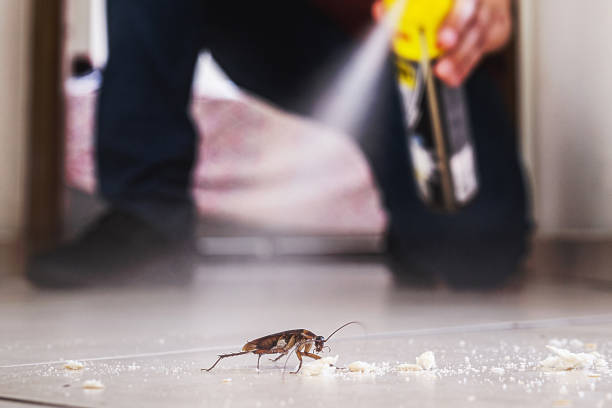
cockroach being killed indoors, aerosol poison spray, insect infestation, insect detection cockroach being killed indoors, aerosol poison spray, insect infestation, insect detection pest control stock pictures, royalty-free photos & images

Termites may be small, but their impact on your home can be significant. Regular termite inspections serve as a critical line of defense against these destructive insects. Here’s why homeowners should prioritize routine inspections.

Protecting Your Investment

For most families, a home represents one of the largest financial investments. Regular inspections help identify termite infestations before they cause irreparable harm, preserving both the safety and market value of your home.

Early Detection Saves Money

Detecting termites early can prevent small problems from escalating into large-scale infestations.

  • Hidden colonies can grow undetected for years.
  • Repair costs associated with severe structural damage can reach thousands of dollars.
  • Extensive treatments may be required once infestations become widespread.

An annual or biannual inspection is far more affordable than repairing termite-induced damage or replacing entire sections of wood in your home.

Ensuring Structural Safety

Termites weaken wood from the inside out, often leaving no visible signs until significant damage has occurred. Such degradation poses serious risks to a home’s structural stability. Routine inspections ensure that any compromised areas are identified and addressed promptly to maintain the safety of your living space.

Understanding What’s at Risk

Termites are particularly drawn to materials commonly found in homes: – Wood: Floorboards, baseboards, beams, furniture.Paper products: Stored cardboard boxes or important documents.Cellulose-based materials: Wall insulation or drywall panels.

A regular inspection highlights vulnerable areas and offers guidance on how to make them less attractive to termites.

Risk Factors for Termite Infestations Possible Solutions
Wooden debris near foundation Clear away mulch and firewood
Poor drainage around property Improve water flow and gutters
Cracks in foundation Seal gaps with caulking
Humid crawl spaces Install ventilation systems

Peace of Mind for Homeowners

Knowing that your home is free from termites provides invaluable peace of mind. A professional inspection doesn’t just confirm the presence (or absence) of termites—it also ensures that preventative measures are being followed correctly to reduce future risks.

Regular termite inspections are not merely an option; they are an essential step in proactive home maintenance. Whether you’ve spotted early warning signs or simply want reassurance that your property is protected, routine checks will save you time, stress, and money in the long run by safeguarding your most important investment—your home.

Expert Recommendations for Davie FL Pest Control: How Often Should You Schedule a Termite Inspection?

Scheduling regular termite inspections is a crucial step in protecting your home from the costly damage termites can cause. While every property is unique, there are general guidelines and expert recommendations to help homeowners determine how often inspections should take place.

General Guidelines for Termite Inspections

The frequency of termite inspections depends on factors like the age of your home, your geographic location, and whether you’ve had issues with termites in the past.

  • Annually:Most experts recommend that homeowners schedule a professional termite inspection at least once every year. This helps catch potential infestations early before significant damage occurs.
  • Every 6 Months:If your home is located in an area with high termite activity or if you’ve had previous infestations, biannual inspections may be necessary to ensure ongoing protection.
  • After Remodeling or New Construction:Termites can exploit vulnerabilities created during construction projects, so it’s wise to schedule an inspection after completing major renovations or building additions.

Factors That Influence Inspection Frequency

  1. Homes in warmer climates or areas with high humidity are more prone to termite activity.
  2. Regions such as the southeastern United States or coastal zones typically require more frequent inspections due to their favorable conditions for termites.
  3. Older homes may have wooden components that are more vulnerable to decay and infestation, increasing the need for regular assessments.
  4. If your property has experienced termites in the past, it’s wise to be proactive with frequent inspections to prevent repeat occurrences.
  5. Buildings with significant amounts of untreated wood are at greater risk compared to homes constructed with treated timber or non-wood materials.

Benefits of Regular Termite Inspections

  • Early detection prevents extensive damage and minimizes costly repairs.
  • Protects property value by maintaining structural integrity.
  • Provides peace of mind knowing that your home remains free from infestations.
  • Ensures compliance with insurance policies that may require proof of regular pest control measures.

Recommended Schedule Table

Inspection Frequency Suitable For Geographic Examples Risk Level
Annually Most homes Moderate climates Medium
Every 6 Months Homes in high-risk areas or past infestations Southeastern U.S., tropical zones High
After Renovation Recently remodeled homes All locations Variable

By following these expert recommendations and taking into account your local environment and home’s specific characteristics, you can establish a termite inspection schedule tailored to your needs. This proactive approach ensures long-term protection against one of the most destructive pests homeowners face today.

How Often Should You Schedule a Termite Inspection?

Scheduling regular termite inspections is critical to protecting your home from costly damage. While termites are small, their impact on a property can be devastating if left unchecked. Below is an in-depth guide to help homeowners understand the recommended frequency for termite inspections.

Factors That Influence the Frequency of Inspections

  1. If you live in a region with high termite activity (e. g. , warm and humid climates), annual inspections are strongly advised.
  2. Areas with moderate or low termite risk may allow for less frequent inspections, approximately every two years.
  3. Older homes or those with wooden structures are more susceptible to infestations and should be inspected annually.
  4. Homes with previous signs of damage may require closer monitoring to ensure no re-infestation occurs.
  5. If termites have been an issue in the past, scheduling biannual inspections initially can help ensure any lingering colonies are addressed promptly.
  6. Homes made primarily from wood or other cellulose-based materials are at greater risk and benefit from yearly checks.
  7. Brick or concrete homes still require periodic inspections since termites can invade via wooden furniture or crawl spaces.

Expert Recommendations

Many pest control specialists agree that:
Annual Inspections: This is the gold standard for most homeowners, regardless of risk level. It provides peace of mind and reduces the chances of surprises associated with hidden infestations.Biannual Inspections: For properties with higher risks due to environmental or structural vulnerabilities, every six months is recommended.Every 2-3 Years: This frequency may work for newer homes in low-risk areas, though it’s always safer to err on the side of caution.

Inspection Frequency Recommended For Example Locations
Annually Most homeowners Southeastern U.S., Hawaii
Biannually High-risk areas or older homes Florida, South Carolina
Every 2-3 years Low-risk regions Northern states with colder climates

Benefits of Regular Termite Inspections

The primary advantage of adhering to professional recommendations is proactive damage prevention.

  • Detect early signs such as mud tubes, damaged wood, or frass (termite droppings).
  • Implement treatments before extensive structural damage occurs.
  • Provide expert advice on future preventative measures like soil treatments or reducing moisture levels around your home’s foundation.

Skipping an inspection due to perceived low risk could lead to undetected infestations that compromise structural integrity and become expensive to repair over time.

Additional Tips for Homeowners

Maintain vigilance between professional visits by performing basic at-home monitoring:
1. Check for visible signs like hollow-sounding wood or peeling paint that mimics water damage. 2. Reduce standing water and ensure proper drainage near your home’s foundation. 3. Store firewood away from your home as it attracts termites looking for food sources.

By combining these efforts with regularly scheduled inspections by licensed professionals, you can safeguard both your property value and peace of mind effectively year-round.

Step-by-Step Guide: What a Pest Control Company in Davie FL Does During a Termite Inspection

A professional termite inspection is a thorough and systematic process designed to detect signs of termite activity, assess potential risks, and identify vulnerabilities in your property. Understanding what happens during this process can help homeowners prepare and ensure that their home is thoroughly evaluated.

The process begins with an initial consultation between the homeowner and the pest control professional.
– The inspector will ask about any concerns or observations you may have, such as unusual wood damage or sightings of pests.
– The property’s history with termites, previous treatments, or inspections will be reviewed if applicable.
– Access points to key areas of the home will be discussed to ensure the inspector can examine every critical zone thoroughly.

The exterior inspection focuses on identifying entry points and conditions conducive to termite infestations around your property:
Foundation check: Inspectors examine the base of your home for mud tubes (a common sign of subterranean termites) or structural damage.
Wood-to-ground contact: Areas where wooden structures touch soil are assessed for decay or infestation risks.
Moisture-prone zones: Drainage issues, leaks, or clogged gutters are noted as they create favorable environments for termites.
Nearby wood sources: Firewood piles, tree stumps, fences, or mulch near the house are inspected for evidence of pest activity.

Inside your home, the inspector carefully examines various spaces where termites are likely to thrive: – Walls and ceilings: Hollow-sounding wood, bubbling paint, or cracks in drywall are checked for underlying damage caused by termites.Windows and doors: Frames are investigated for signs like softwood or tiny exit holes created by drywood termites.Basements and crawlspaces: These areas are inspected due to their high humidity levels that attract subterranean species.Attic spaces: Wooden beams in attics can show evidence of drywood termite colonies.

During this step, inspectors may use specialized tools such as moisture meters or infrared cameras to detect hidden infestations behind walls or under floors.

Inspectors look for critical indicators of termite presence throughout your property: | Termite Warning Sign | Description | |—————————–|———————————————————————————-| | Mud Tubes | Pencil-thick tunnels made from soil used by subterranean termites as travel paths. | | Discarded Wings | Winged reproductive termites shed their wings near windowsills and entry points. | | Frass (Termite Droppings) | Small pellets resembling sawdust often indicate drywood termite activity. | | Damaged Wood | Wood hollowed out along grain patterns is a clear sign of infestation.

Once the inspection is complete: – The findings are compiled into a detailed report that includes photographs, diagrams if necessary, and descriptions of affected areas. – The inspector provides recommendations regarding treatment options if active infestations are detected. – Preventive measures may also be suggested to minimize future risks (e. g. , eliminating moisture issues or maintaining adequate clearance between soil and wood).

Final Thoughts

A professional termite inspection offers homeowners peace of mind by identifying potential threats early before they escalate into costly repairs. Scheduling regular inspections ensures that your property remains protected from long-term structural damage caused by these destructive pests while helping maintain its value over time.

DIY vs.

When it comes to termite inspections, homeowners often wonder whether they should tackle the task themselves or hire a professional. Each approach comes with its own set of pros and cons, and the decision ultimately depends on several factors, including your budget, expertise, and the extent of the infestation risk. Below is a detailed comparison to help you make an informed decision.

DIY Termite Inspections

Many homeowners attempt to inspect for termites on their own in an effort to save money or address concerns quickly. While it’s possible to perform basic checks yourself, there are some significant limitations.

Advantages:Cost Savings:Conducting your own inspection eliminates labor costs and professional fees.Convenience:You can perform the inspection at your own schedule without waiting for appointments.Basic Knowledge:A DIY inspection allows you to familiarize yourself with potential problem areas in your home.

Disadvantages:Limited Expertise:Homeowners may lack the skills required to recognize less obvious signs of termite activity.Risk of Missed Infestations:Termites often hide in hard-to-reach areas like behind walls or under flooring, making it easy for untrained individuals to overlook them.No Access to Advanced Tools:Professionals use specialized equipment such as moisture meters or thermal imaging cameras that are not typically available for personal use.

If you choose a DIY route, here are some steps you can follow: 1. Inspect wooden structures (e. g. , beams, furniture) for signs of damage like hollow sounds when tapped. 2. Check for mud tubes along foundations or walls—these are tunnels termites use to travel from soil to wood. 3. Look for discarded wings near windowsills or baseboards, which may indicate swarmers have entered your home.

While these methods can be helpful as a preliminary check, they should not replace professional inspections entirely.

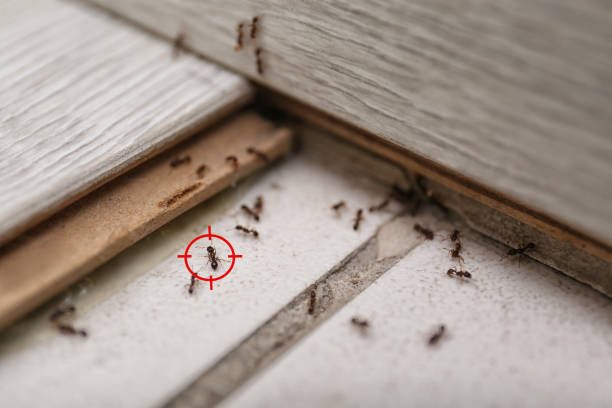
Gun target on ant at home. Pest control Gun target on ant at home. Pest control pest control stock pictures, royalty-free photos & images

Professional Termite Inspections

Hiring a licensed pest control company ensures that your property is thoroughly inspected by an expert who understands termite behavior and can detect infestations even in their earliest stages.

Advantages:Comprehensive Inspection:Professionals know exactly where to look and how to identify subtle signs of termite activity.Advanced Equipment Usage:They utilize tools like infrared cameras and borescopes that allow them to see beneath surfaces without causing damage.Expert Recommendations:Beyond identifying issues, professionals provide actionable advice on prevention and treatment options based on your specific property needs.Peace of Mind:Knowing that trained specialists have inspected your home reduces uncertainty about potential threats.

Disadvantages:Cost Factor:Scheduling Requirements:You’ll need to coordinate time slots with the pest control company, which could be inconvenient if immediate action is needed.

Feature DIY Inspection Professional Inspection
Cost Low Medium/High
Detection Accuracy Moderate High
Time Required Variable Typically 1–2 hours
Access to Equipment Limited Specialized tools available
Recommendation Quality General Expert advice provided

Which Option Should You Choose?

For routine monitoring or if you’re curious about potential risks between scheduled inspections, conducting a DIY check can be useful. However, when it comes to protecting one of your most valuable investments—your home—it’s advisable not to rely solely on self-inspection techniques.

A professional inspection provides unmatched accuracy and ensures early detection of termites before they cause expensive structural damage. Most pest control experts recommend scheduling a professional inspection annually or every two years depending on risk factors like climate and construction material used in your property.

Ultimately, combining occasional DIY efforts with regular professional inspections strikes a balance between cost-efficiency and thorough protection against termites.

Signs Your Home Needs a Termite Inspection and How to Identify Potential Risks Early

Detecting the presence of termites early can save homeowners from costly repairs and prevent long-term structural damage. Termites often go unnoticed until the damage becomes significant, which is why it’s essential to recognize warning signs that indicate your home may need an inspection. Below is a guide to help you identify potential termite activity and assess risks.

Common Signs of Termite Infestation

Termite infestations can manifest in subtle ways.

  • Visible pencil-thin tubes made of mud on walls, foundations, or other surfaces.
  • These tubes are used by termites as tunnels to travel between their colony and food sources.
  • Wood that appears hollow when tapped or has blistered surfaces.
  • Termites eat wood from the inside out, leaving behind thin layers or a honeycomb-like pattern under the surface.
  • Piles of discarded wings often near windowsills, doors, or light fixtures.
  • Swarming termites shed their wings after finding a location to establish a new colony.
  • Small mounds of what looks like sawdust near wooden structures or furniture.
  • This is termite excrement and could be an indicator of drywood termite activity.
  • Quiet clicking sounds within walls caused by soldier termites signaling danger or workers eating wood.

High-Risk Areas in Your Home

  1. Foundations:Cracks in concrete slabs or spaces near wooden beams create entry points.
  2. Basements & Crawl Spaces:Damp areas provide ideal conditions for subterranean termites.
  3. Attics:Stored wooden items or exposed beams are easy targets.
  4. Exterior Walls:Siding made from wood is at risk if it touches soil directly.

When Should You Schedule an Inspection?

Risk Level Recommended Frequency Notes
High (humid climates) Annually Termites thrive in warm, damp environments.
Moderate Every two years Inspect homes with older construction regularly.
Low (dry climates) Every three years Even low-risk areas should not skip inspections.

Why Early Detection Matters

  • Structural instability due to compromised wood integrity.
  • Expensive repair costs that could escalate over time.
  • Decreased home value when selling due to termite history.

By proactively identifying risks and scheduling timely inspections, homeowners can protect their properties from these destructive pests effectively while addressing issues before they escalate into major problems.

What to Expect After a Termite Inspection from an Exterminator Davie FL: Treatment Options and Next Steps

After a professional termite inspection, homeowners are often left wondering what comes next. Understanding the recommended treatment options and follow-up steps is crucial for protecting your property from further damage. Here’s a detailed breakdown of what you can expect post-inspection.

Inspection Results: Understanding the Findings

  • Presence of Termites:Whether an active infestation was detected.
  • Damage Assessment:The extent of structural or cosmetic damage caused by termites.
  • High-Risk Areas:Locations within your home that are vulnerable to future infestations, such as wooden structures in contact with soil or moisture-prone areas.
  • Recommendations:Suggested treatment plans or preventive measures based on the findings.

A professionally conducted inspection ensures that no aspect of your home’s vulnerability to termites is overlooked.

Treatment Options for Termite Infestations

If termites are found during the inspection, treatment is essential to eliminate them and prevent future infestations.

  1. Applied directly into soil around your home to create a barrier that kills termites on contact.
  2. Useful for both preventing and treating existing infestations.
  3. Strategically placed bait stations attract termites, which then ingest poison and spread it to their colony.
  4. Effective at eliminating entire colonies over time without invasive treatments.
  5. A comprehensive approach for severe infestations involving gas treatment throughout your home.
  6. Requires temporary evacuation but ensures all termites are eradicated.
  7. Utilizes high temperatures targeted at specific infested areas.
  8. A chemical-free method suitable for homeowners concerned about environmental impacts.
Treatment Method Ideal Use Case Key Benefit
Liquid Termiticides Preventative or active cases Long-lasting protection
Termite Baits Colony elimination Minimal disruption
Fumigation Severe infestations Comprehensive eradication
Heat Treatments Localized issues Eco-friendly alternative

Essential Next Steps After Treatment

  • Schedule Follow-Up Inspections:Regular inspections ensure that termites have not returned and that preventive measures remain effective. Experts recommend annual check-ups even after treatment.
  • Fix Vulnerabilities:Address conditions in your home that may attract termites, such as wood-to-ground contact, leaks, or poor drainage systems.
  • Monitor Bait Stations (if applicable):If bait stations were installed, periodic monitoring by professionals ensures they continue working effectively against potential colonies.
  • Maintain a Protective Barrier:Reapply barriers like liquid termiticides as needed based on their expected duration (often 5–10 years). Regular maintenance guarantees ongoing protection.

Preventing Future Incidents

  • Keep firewood and wood debris away from the foundation of your home.
  • Ensure proper ventilation in crawl spaces to reduce moisture levels.
  • Repair cracked or damaged foundations where termites might gain access.

By taking these steps alongside regular inspections and follow-up treatments when necessary, homeowners can protect their property from costly structural damage caused by termites.

Pest control exterminator spraying insecticide over domestic insects in the house Pest control guy exterminating home insects. Male contractor in white protective workwear sprays toxic gas on floor and furniture inside house. Close up disgusting cockroaches trying escape under sofa pest control stock pictures, royalty-free photos & images

What to Expect After a Termite Inspection: Treatment Options and Essential Next Steps

After a termite inspection, understanding the next steps is key to effectively protecting your home from existing infestations or future risks. Here’s what homeowners can typically expect following a professional termite inspection.

Inspection Results: Understanding the Findings

  • Potential Vulnerabilities:Areas that may not currently have termites but are susceptible to infestation due to moisture issues, wood-soil contact, or structural gaps.
  • Extent of Damage:If termites are present, inspectors will often estimate how much damage has occurred and identify areas requiring immediate attention.

This report is crucial for determining whether treatment is needed and what preventive measures should be implemented.

Treatment Options Based on Inspection Results

  1. A liquid barrier is applied around the foundation of your home to repel or eliminate termites.
  2. These treatments can help prevent new infestations while targeting existing colonies.
  3. Bait stations containing slow-acting pesticides are placed strategically around your property.
  4. Worker termites carry bait back to their colony, eliminating it over time.
  5. For severe infestations involving drywood termites, tenting and fumigation may be required.
  6. This process involves sealing the house and introducing gas that penetrates into inaccessible areas.
  7. For minor infestations in specific areas of your home, localized treatments involving foam or sprays may suffice.
Treatment Type Best For Pros Cons
Liquid Termiticide Subterranean termites Long-lasting protection May require trenching around perimeter
Baiting System Preventative + active colonies Safe for children/pets Takes time for full effect
Fumigation Severe widespread cases Effective for drywood termites Inconvenient (requires vacating)
Localized Spot Treatment Small localized infestations Quick and non-invasive Limited to small areas

Preventative Measures After Treatment

Even if no active infestation is found during the inspection, prevention remains critical.

  • Moisture Control:Fix leaks in pipes or roofs promptly and ensure good drainage around foundations.
  • Eliminate Wood Contact with Soil:Ensure that wooden components like siding do not touch soil directly.
  • Remove Attractants:Store firewood away from structures and avoid using untreated wood near foundations.
  • Schedule Regular Inspections:Professionals recommend annual inspections even without visible signs of a problem.

Monitoring Moving Forward

A reputable pest control company will often suggest follow-up inspections after treatment to evaluate its effectiveness. Additionally, they might install monitoring systems as part of ongoing maintenance plans designed to safeguard against re-infestation.

By following these next steps after an inspection—whether through effective treatments or proactive prevention—you’ll help protect your property from costly damage while maintaining its long-term value.


Why Davie FL Pest Control Is Essential for Termite Inspections

Worker Spraying Insecticide On Windowsill Midsection Of Worker Spraying Insecticide On Windowsill With Sprayer In Kitchen pest control stock pictures, royalty-free photos & images

Termites are often referred to as “silent destroyers” due to their ability to cause significant damage to a home without immediate detection. Understanding why termite inspections are essential can save homeowners from costly repairs and long-term structural issues. Below, we delve into the key reasons why these inspections play a vital role in protecting your property.

Protecting Your Investment

For many people, a home is one of the most significant financial investments they make in their lifetime. Termites feed on wood and other cellulose-based materials, which means they can compromise the structural integrity of your property if left unchecked. A professional termite inspection helps safeguard your investment by identifying potential risks before they escalate into severe problems.

Early Detection Saves Money

Detecting termites early through regular inspections can prevent extensive damage. Repairs for termite-inflicted destruction can cost thousands of dollars depending on the extent of the infestation. A proactive approach that includes routine inspections is a cost-effective way to address issues at their inception rather than when extensive structural repairs are necessary.

Health Implications

While termites themselves don’t pose direct health risks like some pests, their presence can contribute to secondary issues, such as mold growth within walls or wooden structures damaged by moisture and termites. Identifying infestations early ensures that any related environmental health concerns are addressed promptly.

Key Benefits of Hiring a Pest Control Company Davie FL for Routine Termite Inspections

  • Peace of Mind: Knowing your home is free from termites provides assurance that your property is safe and secure.
  • Preventative Maintenance: Regular inspections act as preventative care for your home, catching minor problems before they turn into expensive complications.
  • Improved Property Value: Homes with an active termite prevention plan or a history of routine inspections are often viewed more favorably by potential buyers during resale transactions.

Key Areas Inspected for Pest Removal Davie FL

Area What Inspectors Look For Signs Observed
Foundation Cracks or soil contact with wood Mud tubes or damaged wood
Crawlspaces Moisture levels Evidence of termites feeding on wooden beams
Basement/Walls Hollow-sounding wood or bubbling paint Small holes, sagging floors/walls
Exterior Woodwork Decks, fences, window frames Frass (termite droppings) or damaged areas

Professional Exterminator Davie FL vs DIY Inspections

  • Advanced Tools: Professionals use specialized tools like moisture meters and infrared technology to detect hidden colonies.
  • Expert Knowledge: Trained inspectors understand termite behavior patterns and know where to look for subtle signs.
  • Detailed Reports: Most professionals provide comprehensive reports outlining findings and recommendations for treatment if necessary.

Skipping regular termite inspections may save time in the short term but could lead to avoidable costs in the future. Partnering with experienced pest control professionals ensures you stay ahead of potential problems while maintaining the safety and value of your home.

Comprehensive Guide to Pest Control Services Davie FL and Termite Inspection Processes

A professional termite inspection is a critical step in protecting your home from costly damage caused by these destructive pests. Understanding the detailed processes involved can help you make informed decisions and ensure your property remains termite-free. Below is a comprehensive guide to what you can expect during a professional termite inspection.

Initial Assessment

  • Ask about the property’s age, construction materials, and history of pest infestations.
  • Inquire about any prior treatments or preventative measures taken.
  • Perform a visual walkthrough to identify areas requiring closer examination.

This preliminary assessment helps guide the direction of the inspection and pinpoints key focus areas.

Interior Inspection

  1. Look for hollow-sounding wood when tapped.
  2. Check for cracks or bubbling paint that could indicate termites inside walls.
  3. Examine wooden frames for damage such as small holes or frass (termite droppings).
  4. Check for warped wood or unusual textures.
  5. Inspect beams and rafters for mud tubes or wood damage caused by termites.
  6. Look out for moisture issues that could attract termites.

Exterior Inspection

  • Wood-to-Ground Contact: Inspect fences, decks, or exterior walls in direct contact with soil—a common entry point for subterranean termites.
  • Moisture-Prone Areas: Identify areas with poor drainage or leaky gutters where moisture accumulates.
  • Mud Tubes: Subterranean termites build mud tubes along foundations to travel undetected; these are key indicators of their presence.
  • Dead Wood: Look at tree stumps, mulch piles, and wooden structures surrounding the property.

Inspectors also assess landscaping features that may inadvertently promote infestation.

Use of Specialized Tools

Tool Purpose
Moisture Meter Detects high levels of moisture in walls/wood
Infrared Camera Identifies temperature anomalies linked to termite activity
Sounding Devices Used to tap wood surfaces and detect hollow sounds
Flashlights & Probes Examine hard-to-reach areas effectively

These tools enhance accuracy and ensure no infestation goes unnoticed.

Detailed Reporting

  • Detailed descriptions of any active infestations found on the property.
  • Photos documenting visible signs of damage or pest activity.
  • Recommendations for treatment options based on observed conditions.
  • Preventative measures tailored to reduce future risk.

This document serves as both a record and an action plan moving forward.

Frequency of Inspections

For properties located in high-risk areas (e.g., warm climates prone to termite activity), experts recommend annual inspections at minimum. Regular checks are essential even if no current signs exist since early detection is crucial for minimizing structural damages.

By understanding these professional processes, homeowners can better appreciate the value that trained inspectors bring to safeguarding their investments against termites’ potentially devastating effects.

Comprehensive Guide to Professional Termite Inspection Processes

A professional termite inspection is a critical step in protecting your property from the damage termites can cause. Understanding what happens during this process can help homeowners feel more prepared and ensure that no critical details are overlooked. Below is a detailed guide to what you can expect during a professional termite inspection.

Initial Assessment: Evaluating the Property

The process begins with an exterior and interior evaluation of your property. Here are key aspects inspectors typically examine:
Property Perimeter: Inspectors will walk around the outside of your home, looking for signs of termite activity such as mud tubes on walls, damaged wood, or hollow-sounding timber.
Landscaping Features: Wood piles, tree stumps, and excessive mulch near the foundation will be checked since these can attract termites.
Foundation: The inspector examines crawl spaces, slab edges, or basement walls for any visible signs of infestation.

Interior Inspection: Checking Structural Integrity

The focus shifts indoors once the exterior has been assessed. The following areas typically receive thorough attention:
Walls and Ceilings: Bubbling paint, small exit holes, or hollow sounds in wooden panels may indicate infestation.
Windows and Doors: Inspectors look for tight-fitting windows/doors or damaged frames caused by termites eating away at wood over time.
Flooring: Buckling floors or sagging areas could reveal subterranean termite damage beneath the surface layers.

Tools Used During Inspections

Tool Purpose
Moisture Meter Identifies moisture levels in wood that could attract termites
Infrared Cameras Detects heat patterns that might signal termites inside walls
Termite Detection Dogs Trained dogs that use scent to locate active infestations

Reporting Findings and Recommendations

Once the inspection is complete, the termite specialist compiles their findings into a detailed report summarizing problem areas and potential risks. Here’s what you are likely to find in such a report:
1. A description of any active infestation discovered during inspection. 2. Photographs documenting specific areas where damage or activity was observed. 3. Preventative measures recommended based on current property conditions. 4. Treatment options available (e.g., bait systems, liquid applications).

Follow-Up Actions

After reviewing the report, it’s essential to act quickly if termites are detected to prevent further destruction of your property’s structural elements. Even if no termites are currently found, scheduling regular inspections — annually at minimum — helps protect against future threats.

By hiring trained professionals with experience handling termite inspections and employing advanced detection techniques, homeowners gain peace of mind knowing their properties remain safeguarded from costly pest-related damages over time.

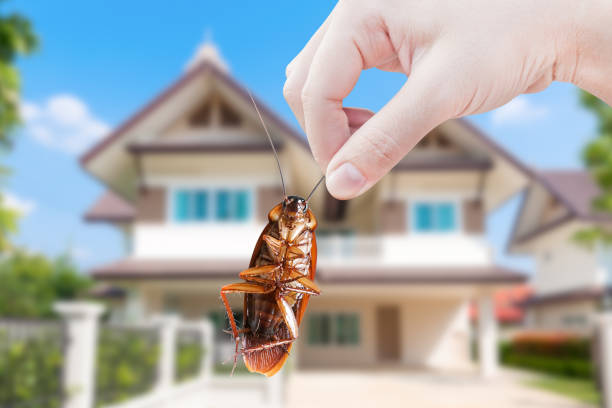
Hand holding Cockroach on house background, eliminate cockroach in house Hand holding Cockroach on house background, eliminate cockroach in house,Cockroaches as carriers of disease pest control stock pictures, royalty-free photos & images

Protecting Your Property with Effective Termite Prevention Strategies

Termites can cause significant damage to your property if left unchecked. While repairing termite-related damage can be costly and time-consuming, implementing effective prevention strategies is a proactive way to safeguard your home or business. Below are some key termite prevention strategies that can help you protect your investment.

Maintain Proper Moisture Control

Termites thrive in damp environments. Moisture provides the perfect conditions for termites to establish colonies and feed on wood structures. Addressing moisture issues around your property is one of the first steps in termite prevention.

  • Fix Leaks: Repair leaking pipes, faucets, and air conditioning units promptly.
  • Improve Drainage: Ensure proper drainage systems are in place around the foundation of your home.
  • Reduce Humidity: Use dehumidifiers in areas prone to excessive moisture, such as basements or crawl spaces.
  • Divert Water Away from Foundation: Install downspouts or gutters to prevent water from pooling near the base of your property.

Regularly Inspect and Maintain Wooden Structures

Wood is a primary food source for termites, so keeping wooden structures well-maintained is essential.

  • Seal Cracks and Crevices: Fill gaps in doors, windows, and foundation walls where termites could enter.
  • Use Treated Wood: Opt for pressure-treated or naturally resistant wood species when building decks or fences.
  • Keep Firewood Away: Store firewood at least 20 feet away from your home and elevate it off the ground.
  • Remove Dead Tree Stumps: Decaying wood near your property attracts termites, so remove old stumps promptly.

Create Physical Barriers

Physical barriers can prevent termites from entering buildings by blocking their access points underground.

Barrier Type Description
Stainless Steel Mesh Fine mesh installed around foundations to block termite entry.
Sand Barriers Granular sand barriers create an environment that is difficult for termites to tunnel through.

These barriers are typically installed during construction but may also be added during renovations.

Avoid Soil-to-Wood Contact

Direct contact between soil and wood provides easy access for subterranean termites. Make sure there’s a buffer between any wooden parts of your structure and the ground.

  • Keep wooden siding at least 6 inches above soil level.
  • Use concrete supports for decking instead of placing posts directly into the soil.

Schedule Routine Termite Inspections

Even with preventive measures in place, regular inspections by a licensed pest control professional are critical. Professional inspections can identify early signs of termite activity before infestations become severe. Inspections should typically occur annually or semi-annually, depending on risk factors like geographic location or prior infestations.

By combining these strategies with consistent monitoring and proactive maintenance, property owners can significantly reduce their risk of termite damage while preserving long-term structural integrity.

Why Regular Termite Inspections Are Crucial for Long-Term Property Health

Termites are among the most destructive pests that can invade a property. Left unchecked, they have the potential to wreak havoc on your home’s structural integrity, leading to costly repairs and diminished property value. Regular termite inspections play a vital role in maintaining the long-term health of your property. Here’s why they should be a priority for every homeowner.

Early Detection Prevents Costly Damage

One of the most significant benefits of regular termite inspections is early detection. Termites are often referred to as “silent destroyers” because they can remain hidden within walls, floors, or foundations while causing extensive damage. Scheduling routine inspections allows professionals to identify infestations in their early stages, minimizing repair costs and preventing further damage.

Without early detection, homeowners may face:
– Structural damage to wood beams, floors, and ceilings
– Compromised foundational integrity
– Expensive home repairs ranging from thousands to tens of thousands of dollars

Protecting Your Property’s Value

A home with an untreated termite problem may lose a significant portion of its market value. Conducting regular inspections reassures potential buyers that your property is free from infestations and structurally sound. This proactive approach demonstrates responsible ownership and protects your financial investment in the long run.

Scenario Likely Outcome
Routine termite inspections Maintains or increases property value
Untreated termite infestation Decreases property value; potential buyer deterrent

Prevention Is More Affordable Than Repairs

The cost of regular termite inspections pales in comparison to the expenses tied to repairing severe damage caused by undetected termites. Inspections provide an opportunity for homeowners to address small issues before they escalate into major financial burdens.

Costs breakdown:
Regular inspection cost: Typically ranges from $50-$250 depending on home size and location
Repair costs after significant infestation: May exceed $10,000 or more depending on severity

Investing in routine inspections ensures that you save money over time by avoiding expensive repairs down the road.

Peace of Mind for Homeowners

Owning a home involves many responsibilities, but protecting it from termites should be at the top of the list. Knowing that your home is being routinely inspected provides peace of mind and eliminates uncertainty about potential hidden infestations.

Benefits include:
– Confidence that your home is safe from pests
– Reduced stress related to unexpected repair costs
– Improved overall property maintenance practices

The Role of Professional Inspectors

Professional pest control companies bring expertise and specialized tools necessary for thorough assessments. They can identify subtle signs of termites that homeowners might miss, such as mud tubes or hollow-sounding wood.

Key inspection components include:
1. Examination of both interior and exterior areas for signs of infestation
2. Use of advanced detection equipment like moisture meters or thermal imaging cameras
3. Recommendations for treatment plans if activity is detected

Regular engagement with professionals ensures effective monitoring and keeps your home protected year-round.

By making termite inspections a recurring part of your home maintenance strategy, you safeguard both its structural health and financial value over time while reducing risks associated with costly infestations.