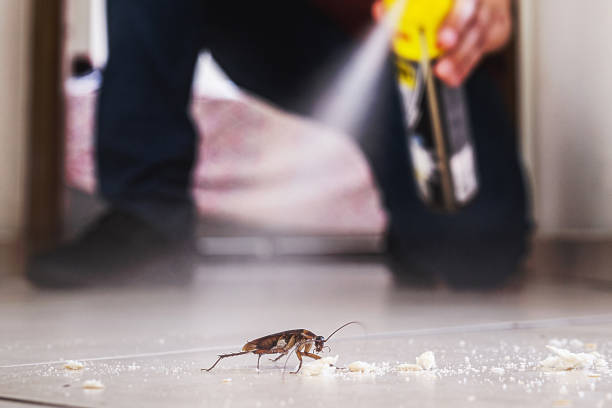
Termites may be small, but their impact on your home can be significant. Regular termite inspections serve as a critical line of defense against these destructive insects. Here’s why homeowners should prioritize routine inspections.
Protecting Your Investment
For most families, a home represents one of the largest financial investments. Regular inspections help identify termite infestations before they cause irreparable harm, preserving both the safety and market value of your home.
Early Detection Saves Money
Detecting termites early can prevent small problems from escalating into large-scale infestations.
- Hidden colonies can grow undetected for years.
- Repair costs associated with severe structural damage can reach thousands of dollars.
- Extensive treatments may be required once infestations become widespread.
An annual or biannual inspection is far more affordable than repairing termite-induced damage or replacing entire sections of wood in your home.
Ensuring Structural Safety
Termites weaken wood from the inside out, often leaving no visible signs until significant damage has occurred. Such degradation poses serious risks to a home’s structural stability. Routine inspections ensure that any compromised areas are identified and addressed promptly to maintain the safety of your living space.
Understanding What’s at Risk
Termites are particularly drawn to materials commonly found in homes: – Wood: Floorboards, baseboards, beams, furniture.Paper products: Stored cardboard boxes or important documents.Cellulose-based materials: Wall insulation or drywall panels.
A regular inspection highlights vulnerable areas and offers guidance on how to make them less attractive to termites.
| Risk Factors for Termite Infestations | Possible Solutions |
| Wooden debris near foundation | Clear away mulch and firewood |
| Poor drainage around property | Improve water flow and gutters |
| Cracks in foundation | Seal gaps with caulking |
| Humid crawl spaces | Install ventilation systems |
Peace of Mind for Homeowners
Knowing that your home is free from termites provides invaluable peace of mind. A professional inspection doesn’t just confirm the presence (or absence) of termites—it also ensures that preventative measures are being followed correctly to reduce future risks.
Regular termite inspections are not merely an option; they are an essential step in proactive home maintenance. Whether you’ve spotted early warning signs or simply want reassurance that your property is protected, routine checks will save you time, stress, and money in the long run by safeguarding your most important investment—your home.
Expert Recommendations for Davie FL Pest Control: How Often Should You Schedule a Termite Inspection?
Scheduling regular termite inspections is a crucial step in protecting your home from the costly damage termites can cause. While every property is unique, there are general guidelines and expert recommendations to help homeowners determine how often inspections should take place.
General Guidelines for Termite Inspections
The frequency of termite inspections depends on factors like the age of your home, your geographic location, and whether you’ve had issues with termites in the past.
- Annually:Most experts recommend that homeowners schedule a professional termite inspection at least once every year. This helps catch potential infestations early before significant damage occurs.
- Every 6 Months:If your home is located in an area with high termite activity or if you’ve had previous infestations, biannual inspections may be necessary to ensure ongoing protection.
- After Remodeling or New Construction:Termites can exploit vulnerabilities created during construction projects, so it’s wise to schedule an inspection after completing major renovations or building additions.
Factors That Influence Inspection Frequency
- Homes in warmer climates or areas with high humidity are more prone to termite activity.
- Regions such as the southeastern United States or coastal zones typically require more frequent inspections due to their favorable conditions for termites.
- Older homes may have wooden components that are more vulnerable to decay and infestation, increasing the need for regular assessments.
- If your property has experienced termites in the past, it’s wise to be proactive with frequent inspections to prevent repeat occurrences.
- Buildings with significant amounts of untreated wood are at greater risk compared to homes constructed with treated timber or non-wood materials.
Benefits of Regular Termite Inspections
- Early detection prevents extensive damage and minimizes costly repairs.
- Protects property value by maintaining structural integrity.
- Provides peace of mind knowing that your home remains free from infestations.
- Ensures compliance with insurance policies that may require proof of regular pest control measures.
Recommended Schedule Table
| Inspection Frequency | Suitable For | Geographic Examples | Risk Level |
| Annually | Most homes | Moderate climates | Medium |
| Every 6 Months | Homes in high-risk areas or past infestations | Southeastern U.S., tropical zones | High |
| After Renovation | Recently remodeled homes | All locations | Variable |
By following these expert recommendations and taking into account your local environment and home’s specific characteristics, you can establish a termite inspection schedule tailored to your needs. This proactive approach ensures long-term protection against one of the most destructive pests homeowners face today.
How Often Should You Schedule a Termite Inspection?
Scheduling regular termite inspections is critical to protecting your home from costly damage. While termites are small, their impact on a property can be devastating if left unchecked. Below is an in-depth guide to help homeowners understand the recommended frequency for termite inspections.
Factors That Influence the Frequency of Inspections
- If you live in a region with high termite activity (e. g. , warm and humid climates), annual inspections are strongly advised.
- Areas with moderate or low termite risk may allow for less frequent inspections, approximately every two years.
- Older homes or those with wooden structures are more susceptible to infestations and should be inspected annually.
- Homes with previous signs of damage may require closer monitoring to ensure no re-infestation occurs.
- If termites have been an issue in the past, scheduling biannual inspections initially can help ensure any lingering colonies are addressed promptly.
- Homes made primarily from wood or other cellulose-based materials are at greater risk and benefit from yearly checks.
- Brick or concrete homes still require periodic inspections since termites can invade via wooden furniture or crawl spaces.
Expert Recommendations
Many pest control specialists agree that:
– Annual Inspections: This is the gold standard for most homeowners, regardless of risk level. It provides peace of mind and reduces the chances of surprises associated with hidden infestations.Biannual Inspections: For properties with higher risks due to environmental or structural vulnerabilities, every six months is recommended.Every 2-3 Years: This frequency may work for newer homes in low-risk areas, though it’s always safer to err on the side of caution.
| Inspection Frequency | Recommended For | Example Locations |
| Annually | Most homeowners | Southeastern U.S., Hawaii |
| Biannually | High-risk areas or older homes | Florida, South Carolina |
| Every 2-3 years | Low-risk regions | Northern states with colder climates |
Benefits of Regular Termite Inspections
The primary advantage of adhering to professional recommendations is proactive damage prevention.
- Detect early signs such as mud tubes, damaged wood, or frass (termite droppings).
- Implement treatments before extensive structural damage occurs.
- Provide expert advice on future preventative measures like soil treatments or reducing moisture levels around your home’s foundation.
Skipping an inspection due to perceived low risk could lead to undetected infestations that compromise structural integrity and become expensive to repair over time.
Additional Tips for Homeowners
Maintain vigilance between professional visits by performing basic at-home monitoring:
1. Check for visible signs like hollow-sounding wood or peeling paint that mimics water damage. 2. Reduce standing water and ensure proper drainage near your home’s foundation. 3. Store firewood away from your home as it attracts termites looking for food sources.
By combining these efforts with regularly scheduled inspections by licensed professionals, you can safeguard both your property value and peace of mind effectively year-round.
Step-by-Step Guide: What a Pest Control Company in Davie FL Does During a Termite Inspection
A professional termite inspection is a thorough and systematic process designed to detect signs of termite activity, assess potential risks, and identify vulnerabilities in your property. Understanding what happens during this process can help homeowners prepare and ensure that their home is thoroughly evaluated.
The process begins with an initial consultation between the homeowner and the pest control professional.
– The inspector will ask about any concerns or observations you may have, such as unusual wood damage or sightings of pests.
– The property’s history with termites, previous treatments, or inspections will be reviewed if applicable.
– Access points to key areas of the home will be discussed to ensure the inspector can examine every critical zone thoroughly.
The exterior inspection focuses on identifying entry points and conditions conducive to termite infestations around your property:
– Foundation check: Inspectors examine the base of your home for mud tubes (a common sign of subterranean termites) or structural damage.
– Wood-to-ground contact: Areas where wooden structures touch soil are assessed for decay or infestation risks.
– Moisture-prone zones: Drainage issues, leaks, or clogged gutters are noted as they create favorable environments for termites.
– Nearby wood sources: Firewood piles, tree stumps, fences, or mulch near the house are inspected for evidence of pest activity.
Inside your home, the inspector carefully examines various spaces where termites are likely to thrive: – Walls and ceilings: Hollow-sounding wood, bubbling paint, or cracks in drywall are checked for underlying damage caused by termites.Windows and doors: Frames are investigated for signs like softwood or tiny exit holes created by drywood termites.Basements and crawlspaces: These areas are inspected due to their high humidity levels that attract subterranean species.Attic spaces: Wooden beams in attics can show evidence of drywood termite colonies.
During this step, inspectors may use specialized tools such as moisture meters or infrared cameras to detect hidden infestations behind walls or under floors.
Inspectors look for critical indicators of termite presence throughout your property: | Termite Warning Sign | Description | |—————————–|———————————————————————————-| | Mud Tubes | Pencil-thick tunnels made from soil used by subterranean termites as travel paths. | | Discarded Wings | Winged reproductive termites shed their wings near windowsills and entry points. | | Frass (Termite Droppings) | Small pellets resembling sawdust often indicate drywood termite activity. | | Damaged Wood | Wood hollowed out along grain patterns is a clear sign of infestation.
Once the inspection is complete: – The findings are compiled into a detailed report that includes photographs, diagrams if necessary, and descriptions of affected areas. – The inspector provides recommendations regarding treatment options if active infestations are detected. – Preventive measures may also be suggested to minimize future risks (e. g. , eliminating moisture issues or maintaining adequate clearance between soil and wood).
Final Thoughts
A professional termite inspection offers homeowners peace of mind by identifying potential threats early before they escalate into costly repairs. Scheduling regular inspections ensures that your property remains protected from long-term structural damage caused by these destructive pests while helping maintain its value over time.
DIY vs.
When it comes to termite inspections, homeowners often wonder whether they should tackle the task themselves or hire a professional. Each approach comes with its own set of pros and cons, and the decision ultimately depends on several factors, including your budget, expertise, and the extent of the infestation risk. Below is a detailed comparison to help you make an informed decision.
DIY Termite Inspections
Many homeowners attempt to inspect for termites on their own in an effort to save money or address concerns quickly. While it’s possible to perform basic checks yourself, there are some significant limitations.
Advantages: – Cost Savings:Conducting your own inspection eliminates labor costs and professional fees.Convenience:You can perform the inspection at your own schedule without waiting for appointments.Basic Knowledge:A DIY inspection allows you to familiarize yourself with potential problem areas in your home.
Disadvantages: – Limited Expertise:Homeowners may lack the skills required to recognize less obvious signs of termite activity.Risk of Missed Infestations:Termites often hide in hard-to-reach areas like behind walls or under flooring, making it easy for untrained individuals to overlook them.No Access to Advanced Tools:Professionals use specialized equipment such as moisture meters or thermal imaging cameras that are not typically available for personal use.
If you choose a DIY route, here are some steps you can follow: 1. Inspect wooden structures (e. g. , beams, furniture) for signs of damage like hollow sounds when tapped. 2. Check for mud tubes along foundations or walls—these are tunnels termites use to travel from soil to wood. 3. Look for discarded wings near windowsills or baseboards, which may indicate swarmers have entered your home.
While these methods can be helpful as a preliminary check, they should not replace professional inspections entirely.
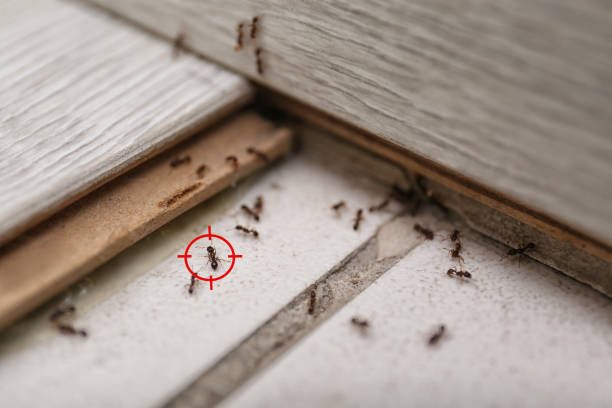
Professional Termite Inspections
Hiring a licensed pest control company ensures that your property is thoroughly inspected by an expert who understands termite behavior and can detect infestations even in their earliest stages.
Advantages: – Comprehensive Inspection:Professionals know exactly where to look and how to identify subtle signs of termite activity.Advanced Equipment Usage:They utilize tools like infrared cameras and borescopes that allow them to see beneath surfaces without causing damage.Expert Recommendations:Beyond identifying issues, professionals provide actionable advice on prevention and treatment options based on your specific property needs.Peace of Mind:Knowing that trained specialists have inspected your home reduces uncertainty about potential threats.
Disadvantages: – Cost Factor:Scheduling Requirements:You’ll need to coordinate time slots with the pest control company, which could be inconvenient if immediate action is needed.
| Feature | DIY Inspection | Professional Inspection |
| Cost | Low | Medium/High |
| Detection Accuracy | Moderate | High |
| Time Required | Variable | Typically 1–2 hours |
| Access to Equipment | Limited | Specialized tools available |
| Recommendation Quality | General | Expert advice provided |
Which Option Should You Choose?
For routine monitoring or if you’re curious about potential risks between scheduled inspections, conducting a DIY check can be useful. However, when it comes to protecting one of your most valuable investments—your home—it’s advisable not to rely solely on self-inspection techniques.
A professional inspection provides unmatched accuracy and ensures early detection of termites before they cause expensive structural damage. Most pest control experts recommend scheduling a professional inspection annually or every two years depending on risk factors like climate and construction material used in your property.
Ultimately, combining occasional DIY efforts with regular professional inspections strikes a balance between cost-efficiency and thorough protection against termites.
Signs Your Home Needs a Termite Inspection and How to Identify Potential Risks Early
Detecting the presence of termites early can save homeowners from costly repairs and prevent long-term structural damage. Termites often go unnoticed until the damage becomes significant, which is why it’s essential to recognize warning signs that indicate your home may need an inspection. Below is a guide to help you identify potential termite activity and assess risks.
Common Signs of Termite Infestation
Termite infestations can manifest in subtle ways.
- Visible pencil-thin tubes made of mud on walls, foundations, or other surfaces.
- These tubes are used by termites as tunnels to travel between their colony and food sources.
- Wood that appears hollow when tapped or has blistered surfaces.
- Termites eat wood from the inside out, leaving behind thin layers or a honeycomb-like pattern under the surface.
- Piles of discarded wings often near windowsills, doors, or light fixtures.
- Swarming termites shed their wings after finding a location to establish a new colony.
- Small mounds of what looks like sawdust near wooden structures or furniture.
- This is termite excrement and could be an indicator of drywood termite activity.
- Quiet clicking sounds within walls caused by soldier termites signaling danger or workers eating wood.
High-Risk Areas in Your Home
- Foundations:Cracks in concrete slabs or spaces near wooden beams create entry points.
- Basements & Crawl Spaces:Damp areas provide ideal conditions for subterranean termites.
- Attics:Stored wooden items or exposed beams are easy targets.
- Exterior Walls:Siding made from wood is at risk if it touches soil directly.
When Should You Schedule an Inspection?
| Risk Level | Recommended Frequency | Notes |
| High (humid climates) | Annually | Termites thrive in warm, damp environments. |
| Moderate | Every two years | Inspect homes with older construction regularly. |
| Low (dry climates) | Every three years | Even low-risk areas should not skip inspections. |
Why Early Detection Matters
- Structural instability due to compromised wood integrity.
- Expensive repair costs that could escalate over time.
- Decreased home value when selling due to termite history.
By proactively identifying risks and scheduling timely inspections, homeowners can protect their properties from these destructive pests effectively while addressing issues before they escalate into major problems.
What to Expect After a Termite Inspection from an Exterminator Davie FL: Treatment Options and Next Steps
After a professional termite inspection, homeowners are often left wondering what comes next. Understanding the recommended treatment options and follow-up steps is crucial for protecting your property from further damage. Here’s a detailed breakdown of what you can expect post-inspection.
Inspection Results: Understanding the Findings
- Presence of Termites:Whether an active infestation was detected.
- Damage Assessment:The extent of structural or cosmetic damage caused by termites.
- High-Risk Areas:Locations within your home that are vulnerable to future infestations, such as wooden structures in contact with soil or moisture-prone areas.
- Recommendations:Suggested treatment plans or preventive measures based on the findings.
A professionally conducted inspection ensures that no aspect of your home’s vulnerability to termites is overlooked.
Treatment Options for Termite Infestations
If termites are found during the inspection, treatment is essential to eliminate them and prevent future infestations.
- Applied directly into soil around your home to create a barrier that kills termites on contact.
- Useful for both preventing and treating existing infestations.
- Strategically placed bait stations attract termites, which then ingest poison and spread it to their colony.
- Effective at eliminating entire colonies over time without invasive treatments.
- A comprehensive approach for severe infestations involving gas treatment throughout your home.
- Requires temporary evacuation but ensures all termites are eradicated.
- Utilizes high temperatures targeted at specific infested areas.
- A chemical-free method suitable for homeowners concerned about environmental impacts.
| Treatment Method | Ideal Use Case | Key Benefit |
| Liquid Termiticides | Preventative or active cases | Long-lasting protection |
| Termite Baits | Colony elimination | Minimal disruption |
| Fumigation | Severe infestations | Comprehensive eradication |
| Heat Treatments | Localized issues | Eco-friendly alternative |
Essential Next Steps After Treatment
- Schedule Follow-Up Inspections:Regular inspections ensure that termites have not returned and that preventive measures remain effective. Experts recommend annual check-ups even after treatment.
- Fix Vulnerabilities:Address conditions in your home that may attract termites, such as wood-to-ground contact, leaks, or poor drainage systems.
- Monitor Bait Stations (if applicable):If bait stations were installed, periodic monitoring by professionals ensures they continue working effectively against potential colonies.
- Maintain a Protective Barrier:Reapply barriers like liquid termiticides as needed based on their expected duration (often 5–10 years). Regular maintenance guarantees ongoing protection.
Preventing Future Incidents
- Keep firewood and wood debris away from the foundation of your home.
- Ensure proper ventilation in crawl spaces to reduce moisture levels.
- Repair cracked or damaged foundations where termites might gain access.
By taking these steps alongside regular inspections and follow-up treatments when necessary, homeowners can protect their property from costly structural damage caused by termites.

What to Expect After a Termite Inspection: Treatment Options and Essential Next Steps
After a termite inspection, understanding the next steps is key to effectively protecting your home from existing infestations or future risks. Here’s what homeowners can typically expect following a professional termite inspection.
Inspection Results: Understanding the Findings
- Potential Vulnerabilities:Areas that may not currently have termites but are susceptible to infestation due to moisture issues, wood-soil contact, or structural gaps.
- Extent of Damage:If termites are present, inspectors will often estimate how much damage has occurred and identify areas requiring immediate attention.
This report is crucial for determining whether treatment is needed and what preventive measures should be implemented.
Treatment Options Based on Inspection Results
- A liquid barrier is applied around the foundation of your home to repel or eliminate termites.
- These treatments can help prevent new infestations while targeting existing colonies.
- Bait stations containing slow-acting pesticides are placed strategically around your property.
- Worker termites carry bait back to their colony, eliminating it over time.
- For severe infestations involving drywood termites, tenting and fumigation may be required.
- This process involves sealing the house and introducing gas that penetrates into inaccessible areas.
- For minor infestations in specific areas of your home, localized treatments involving foam or sprays may suffice.
| Treatment Type | Best For | Pros | Cons |
| Liquid Termiticide | Subterranean termites | Long-lasting protection | May require trenching around perimeter |
| Baiting System | Preventative + active colonies | Safe for children/pets | Takes time for full effect |
| Fumigation | Severe widespread cases | Effective for drywood termites | Inconvenient (requires vacating) |
| Localized Spot Treatment | Small localized infestations | Quick and non-invasive | Limited to small areas |
Preventative Measures After Treatment
Even if no active infestation is found during the inspection, prevention remains critical.
- Moisture Control:Fix leaks in pipes or roofs promptly and ensure good drainage around foundations.
- Eliminate Wood Contact with Soil:Ensure that wooden components like siding do not touch soil directly.
- Remove Attractants:Store firewood away from structures and avoid using untreated wood near foundations.
- Schedule Regular Inspections:Professionals recommend annual inspections even without visible signs of a problem.
Monitoring Moving Forward
A reputable pest control company will often suggest follow-up inspections after treatment to evaluate its effectiveness. Additionally, they might install monitoring systems as part of ongoing maintenance plans designed to safeguard against re-infestation.
By following these next steps after an inspection—whether through effective treatments or proactive prevention—you’ll help protect your property from costly damage while maintaining its long-term value.
- Why Every Homeowner in Davie FL Should Choose a Pest Control Company for Annual Termite Inspections
- The Importance of Davie FL Pest Control for Protecting Your Property
- Effective Pest Removal in Davie, FL: New Construction Inspections and Termite Prevention
- Why Regular Termite Inspections Are Essential for Pest Control Services Davie FL Homeowners
- Why Davie FL Pest Control Is Essential for Termite Inspections
- Why Hiring a Pest Control Company Davie FL is Essential for Termite Control and Home Protection
- Understanding Termite Inspections: Why a Pest Control Company Davie FL Recommends Them for Your Home