
Termites are often referred to as “silent destroyers” because they can cause significant structural damage before their presence is even detected. Regular termite inspections are essential for safeguarding your property and ensuring that these destructive pests are identified and addressed promptly. Here’s why routine inspections matter and the benefits they provide to homeowners and property managers.
Effective Pest Removal Davie FL to Prevent Structural Damage
One of the most compelling reasons to schedule regular termite inspections is the financial impact of unchecked infestations. Termites feed on cellulose, which is found in wood, paper, and other organic materials. Over time, this feeding can compromise the structural integrity of your home or building.
- Sagging floors or ceilings
- Hollow-sounding wood when tapped
- Unexplained cracks in walls or beams
By catching infestations early, you can avoid extensive repairs that may cost thousands of dollars. A routine inspection ensures that termites are identified before significant damage occurs.
Safeguard Your Property Value with an Exterminator Davie FL
Homes with a history of unchecked termite damage may face reduced resale value or difficulty during property transactions. Many potential buyers require pest inspection reports before purchasing a home, and a history of termite problems can deter them from making an offer. Regular inspections demonstrate proactive maintenance and give buyers confidence in the condition of your property.
| Inspection Frequency | Recommended Action |
| Annually | Routine termite inspection by a licensed professional |
| Every 6 months | For high-risk areas (warm climates or wooded regions) |
Effective Pest Control Services Davie FL to Prevent Infestations
Termites tend to establish colonies that grow over time. Without intervention, these colonies can expand into other areas of your home or even neighboring properties. Regular inspections help contain infestations by identifying problem areas early on—such as nests, mud tubes, or damaged wood—so targeted treatments can be applied immediately.
Early Detection Saves Money on Treatment
Treating advanced infestations is more expensive than addressing smaller colonies caught early during regular inspections. Effective treatments like bait systems or spot treatments can often halt infestations at an earlier stage when detected through routine monitoring.
- Reduced chemical usage
- Faster resolution times
- Lower treatment costs overall
Peace of Mind for Homeowners
Knowing that your home is free from termites provides peace of mind for homeowners who want to protect their investment long-term. Even if no termites are found during an inspection, professionals can provide advice on prevention strategies tailored to your location and home’s structure.
- Addressing moisture issues around foundations
- Removing wood debris from close proximity to structures
- Using non-cellulose-based building materials in vulnerable areas
Regular termite inspections aren’t just about mitigating risks; they’re about preserving the safety, value, and longevity of your property while avoiding unnecessary expenses down the road.
The Hidden Dangers of Ignoring Termite Inspections and Prevention
Termites might seem like insignificant pests at first glance, but ignoring regular inspections and prevention can lead to extensive damage to your property. These “silent destroyers” work behind the scenes, and without proper attention, their presence can turn into a costly problem.
Structural Damage to Your Property
One of the most significant risks of neglecting termite control is the structural damage they can cause over time. Termites feed on cellulose found in wood and other plant-based materials, compromising the integrity of your home’s foundation, walls, flooring, and even furniture.
- Weakening Support Beams: Over time, termites hollow out wooden beams from within, weakening their ability to bear weight.
- Hidden Framework Issues: Termites often attack areas that are hard to see or access, such as crawl spaces or behind drywall.
- Sagging Floors and Ceilings: Over-infested areas may exhibit visible signs like sagging or buckling due to extensive damage.
| Type of Damage | Cause | Result |
| Weak Wooden Structures | Internal termite burrowing | Loss of structural strength |
| Surface Damage | Mud tubes or visible gnaw marks | Aesthetic degradation |
| Electrical System Failure | Termites chewing through wiring | Potential fire hazard |
Financial Implications
Ignoring termite inspections can become a financial burden. Repairing termite-induced damage is significantly more expensive than scheduling regular inspections or adopting preventive measures.
- Rising Repair Costs: The longer termites are left unchecked, the costlier the repairs will become.
- Reduced Property Value: A property with active or prior infestations may lose value during resale.
- Increased Insurance Gaps: Many homeowners’ insurance policies do not cover termite damage since it’s considered preventable through routine maintenance.
Health Risks Related to Termite Infestations
- Mold Growth: Moisture attracted by termites can lead to mold formation in infested wood.
- Allergic Reactions: Dust from damaged wood could aggravate allergies for sensitive individuals.
- Compromised Air Quality: Debris from prolonged infestations might reduce indoor air quality over time.
Why Prevention is Better Than Cure
Preventing a termite infestation is far more manageable than addressing its aftermath.
- Routine inspections help identify early warning signs before major damage occurs.
- Preventive treatments safeguard vulnerable wooden structures from becoming food sources for termites.
- Early detection leads to quicker intervention with less invasive solutions.
To avoid facing these hidden dangers, investing in regular termite inspections and prevention strategies is essential for maintaining your home’s structural safety and value. Always consult a licensed pest control professional who can provide expert advice tailored specifically for your property type and location.
The Hidden Dangers of Ignoring Termite Inspections and Prevention
Termites may be small, but they pose a significant threat to the structural integrity of your property. Ignoring termite inspections and prevention strategies can lead to costly damages, safety risks, and even long-term harm to your investment. Recognizing these dangers is essential in protecting both residential and commercial properties from this silent threat.
Irreversible Structural Damage
One of the most serious risks of neglecting termite inspections is the potential for extensive structural damage.
– Floor joists
– Support beams
– Wall studs
Over time, this damage can compromise the stability of your property. Replacing or repairing these elements can become a significant financial burden.
Safety Hazards
Beyond the financial costs, unchecked termite infestations can create safety concerns:
1.Weakened Structures– Damaged wood may result in floors or ceilings buckling under pressure.
2.Falling Debris Risks– Walls or beams could collapse unexpectedly if left unrepaired.
3.Electrical Malfunctions– Termites often chew through wiring insulation, increasing the risk of electrical fires or outages.
Financial Consequences
The cost implications of untreated termite activity go far beyond repairs:
– Decreased Property Value– A history of extensive termite-related damage may reduce a property’s resale value.
– Insurance Limitations– Many homeowner insurance policies do not cover termite-related damages, leaving you responsible for all repair expenses.
– Increased Treatment Costs– The longer an infestation goes undetected, the more expensive it will be to eradicate.
| Time Ignored | Potential Damage Cost | Risk Level |
| < 6 Months | $500 – $1,500 | Low |
| 1 Year | $3,000 – $5,000 | Moderate |
| 2+ Years | $10,000+ | High |
Environmental Impact on Neighboring Properties
When termites are left untreated in one property, they can easily spread to neighboring homes and businesses. This creates an ongoing cycle of infestation that could affect entire communities.
Why Prevention Is Key
- Detect hidden infestations before they cause noticeable harm.
- Implement proactive treatments to create barriers against termites.
- Identify environmental factors (like moisture issues) that attract termites in the first place.
Ignoring termite inspections does not just threaten your home—it puts your finances and safety at risk while also endangering surrounding properties. Scheduling routine inspections and adopting preventive measures are smart ways to safeguard your investment from these destructive pests.
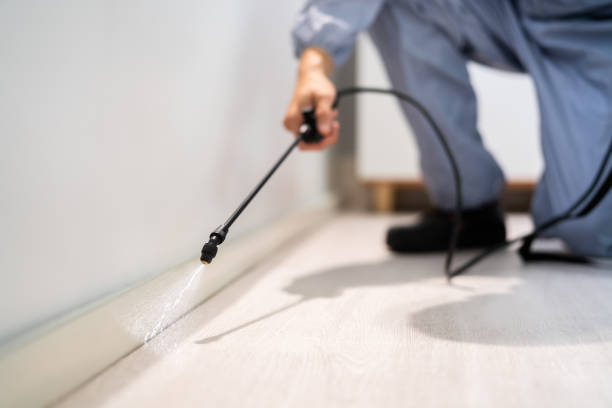
How a Pest Control Company Davie FL Can Protect Your Home from Termites
Termites are often referred to as “silent destroyers” because of their ability to cause extensive damage to structures without immediate detection. Their activity occurs primarily within walls, beneath floors, and in other concealed areas of a building. This makes it challenging for property owners to identify an infestation until significant harm has been done. Understanding the nature of termites and the risks they pose is essential for safeguarding your property.
How Termites Operate Undetected
Termites are particularly dangerous because they thrive in hidden spaces with minimal visibility.
– Subterranean Habitats: Many termite species, such as subterranean termites, build their colonies underground, traveling through mud tubes to reach food sources. These mud tubes often go unnoticed until damage becomes visible.
– Hidden Feeding Patterns: Termites consume wood from the inside out, leaving outer surfaces intact while hollowing structural timbers within walls or floors.
– Quiet Behavior: Unlike pests that create noise or leave obvious droppings, termites can quietly work under the radar for months or even years.
Damage Caused by Termites
The damage inflicted by termites extends beyond wood consumption and can compromise the integrity of an entire structure.
| Type of Damage | Description | Examples |
| Structural | Weakens load-bearing wooden elements like beams and joists | Sagging floors, misaligned doors/windows |
| Cosmetic | Damages non-supportive structures like furniture or wall coverings | Bubbled paint, damaged wallpapers |
| Financial | Leads to expensive repairs if left unchecked | Exorbitant restoration costs post-inspection |
Why They Pose a Long-Term Threat
- Rapid Colony Growth: A single termite queen can lay thousands of eggs annually, enabling infestations to grow exponentially over time if left untreated.
- Undermined Property Value: Homes with termite damage may face reduced resale values since buyers are wary of repair costs and structural weaknesses.
- Secondary Consequences: In some cases, weakened structures from termite activity may lead to safety hazards like collapsing ceilings or weakened foundations.
Steps for Protecting Your Property
- Schedule annual termite inspections conducted by licensed professionals with expertise in pest control.
- Install physical barriers during construction phases such as termite shields or treated soil barriers.
- Remove potential food sources such as wood debris near foundations or excessive moisture around plumbing leaks.
- Invest in preventive treatments like bait stations or liquid termiticides when necessary.
By understanding how termites operate silently but destructively and taking consistent preventive steps against them, you can better protect your property from costly damages over time.
The Benefits of Early Termite Detection and Effective Treatment Solutions
When it comes to protecting your property, early termite detection is vital. These silent invaders can cause significant structural damage before you even realize they are there. Identifying and addressing termite issues promptly can save you time, money, and stress. Below, we explore the benefits of early termite detection and the value of effective treatment strategies.
Why Early Detection Matters
- Minimized Structural Damage:
Spotting termites early prevents long-term infestations that could severely damage wooden structures, foundations, and other vulnerable areas in your property. - Cost Savings:
Treating a minor infestation is far more affordable than addressing widespread damage or extensive repairs caused by prolonged activity. - Preservation of Property Value:
Regular inspections ensure that termites don’t compromise the structural integrity of your home or business, maintaining its resale value.
Signs That Indicate Termites May Be Present
- Mud tubes along walls or foundations
- Hollow-sounding wood when tapped
- Discarded wings near windowsills or doorways
- Peeling paint that resembles water damage
Effective Termite Treatment Solutions
Once termites are detected, selecting an appropriate treatment plan is crucial for eradicating the problem and preventing recurrence.
| Treatment Method | Description | Best For |
| Liquid Termiticides | Creates a chemical barrier around the property to kill existing termites | Preventing reinfestation |
| Termite Baiting Systems | Attracts termites to bait stations with slow-acting pesticides | Active infestations |
| Fumigation | Utilizes gas pesticides to eliminate termites in large-scale infestations | Severe infestations in enclosed areas |
| Wood Treatments | Applies termiticide sprays or foams directly onto exposed wood surfaces | Targeted applications |
Each solution has its strengths depending on the severity of the infestation and property type.
Advantages of Partnering with Professionals
- Access to industry-grade tools and chemicals for efficient pest removal.
- Expertise in identifying hidden colonies or hard-to-detect problem areas.
- Customized treatment plans tailored to your property’s unique needs.
- Long-term monitoring services to ensure lasting protection.
Early termite detection coupled with effective treatments not only safeguards your investment but also provides peace of mind knowing your property remains secure from destructive pests. By staying vigilant and working with a licensed pest control specialist, you can significantly reduce the risks associated with termite damage while maintaining the health and safety of your home or business environment.
- Why Every Homeowner in Davie FL Should Choose a Pest Control Company for Annual Termite Inspections
- The Importance of Davie FL Pest Control for Protecting Your Property
- Effective Pest Removal in Davie, FL: New Construction Inspections and Termite Prevention
- Why Regular Termite Inspections Are Essential for Pest Control Services Davie FL Homeowners
- Why Davie FL Pest Control Is Essential for Termite Inspections
- Why Hiring a Pest Control Company Davie FL is Essential for Termite Control and Home Protection
- Understanding Termite Inspections: Why a Pest Control Company Davie FL Recommends Them for Your Home