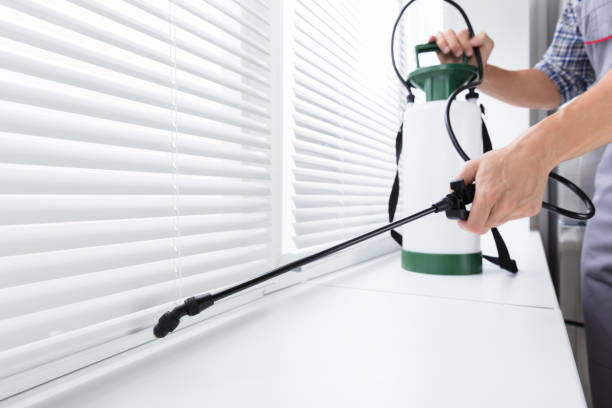
Termites are often referred to as “silent destroyers” due to their ability to cause significant damage to a home without immediate detection. Understanding why termite inspections are essential can save homeowners from costly repairs and long-term structural issues. Below, we delve into the key reasons why these inspections play a vital role in protecting your property.
Protecting Your Investment
For many people, a home is one of the most significant financial investments they make in their lifetime. Termites feed on wood and other cellulose-based materials, which means they can compromise the structural integrity of your property if left unchecked. A professional termite inspection helps safeguard your investment by identifying potential risks before they escalate into severe problems.
Early Detection Saves Money
Detecting termites early through regular inspections can prevent extensive damage. Repairs for termite-inflicted destruction can cost thousands of dollars depending on the extent of the infestation. A proactive approach that includes routine inspections is a cost-effective way to address issues at their inception rather than when extensive structural repairs are necessary.
Health Implications
While termites themselves don’t pose direct health risks like some pests, their presence can contribute to secondary issues, such as mold growth within walls or wooden structures damaged by moisture and termites. Identifying infestations early ensures that any related environmental health concerns are addressed promptly.
Key Benefits of Hiring a Pest Control Company Davie FL for Routine Termite Inspections
- Peace of Mind: Knowing your home is free from termites provides assurance that your property is safe and secure.
- Preventative Maintenance: Regular inspections act as preventative care for your home, catching minor problems before they turn into expensive complications.
- Improved Property Value: Homes with an active termite prevention plan or a history of routine inspections are often viewed more favorably by potential buyers during resale transactions.
Key Areas Inspected for Pest Removal Davie FL
| Area | What Inspectors Look For | Signs Observed |
| Foundation | Cracks or soil contact with wood | Mud tubes or damaged wood |
| Crawlspaces | Moisture levels | Evidence of termites feeding on wooden beams |
| Basement/Walls | Hollow-sounding wood or bubbling paint | Small holes, sagging floors/walls |
| Exterior Woodwork | Decks, fences, window frames | Frass (termite droppings) or damaged areas |
Professional Exterminator Davie FL vs DIY Inspections
- Advanced Tools: Professionals use specialized tools like moisture meters and infrared technology to detect hidden colonies.
- Expert Knowledge: Trained inspectors understand termite behavior patterns and know where to look for subtle signs.
- Detailed Reports: Most professionals provide comprehensive reports outlining findings and recommendations for treatment if necessary.
Skipping regular termite inspections may save time in the short term but could lead to avoidable costs in the future. Partnering with experienced pest control professionals ensures you stay ahead of potential problems while maintaining the safety and value of your home.
Comprehensive Guide to Pest Control Services Davie FL and Termite Inspection Processes
A professional termite inspection is a critical step in protecting your home from costly damage caused by these destructive pests. Understanding the detailed processes involved can help you make informed decisions and ensure your property remains termite-free. Below is a comprehensive guide to what you can expect during a professional termite inspection.
Initial Assessment
- Ask about the property’s age, construction materials, and history of pest infestations.
- Inquire about any prior treatments or preventative measures taken.
- Perform a visual walkthrough to identify areas requiring closer examination.
This preliminary assessment helps guide the direction of the inspection and pinpoints key focus areas.
Interior Inspection
- Look for hollow-sounding wood when tapped.
- Check for cracks or bubbling paint that could indicate termites inside walls.
- Examine wooden frames for damage such as small holes or frass (termite droppings).
- Check for warped wood or unusual textures.
- Inspect beams and rafters for mud tubes or wood damage caused by termites.
- Look out for moisture issues that could attract termites.
Exterior Inspection
- Wood-to-Ground Contact: Inspect fences, decks, or exterior walls in direct contact with soil—a common entry point for subterranean termites.
- Moisture-Prone Areas: Identify areas with poor drainage or leaky gutters where moisture accumulates.
- Mud Tubes: Subterranean termites build mud tubes along foundations to travel undetected; these are key indicators of their presence.
- Dead Wood: Look at tree stumps, mulch piles, and wooden structures surrounding the property.
Inspectors also assess landscaping features that may inadvertently promote infestation.
Use of Specialized Tools
| Tool | Purpose |
| Moisture Meter | Detects high levels of moisture in walls/wood |
| Infrared Camera | Identifies temperature anomalies linked to termite activity |
| Sounding Devices | Used to tap wood surfaces and detect hollow sounds |
| Flashlights & Probes | Examine hard-to-reach areas effectively |
These tools enhance accuracy and ensure no infestation goes unnoticed.
Detailed Reporting
- Detailed descriptions of any active infestations found on the property.
- Photos documenting visible signs of damage or pest activity.
- Recommendations for treatment options based on observed conditions.
- Preventative measures tailored to reduce future risk.
This document serves as both a record and an action plan moving forward.
Frequency of Inspections
For properties located in high-risk areas (e.g., warm climates prone to termite activity), experts recommend annual inspections at minimum. Regular checks are essential even if no current signs exist since early detection is crucial for minimizing structural damages.
By understanding these professional processes, homeowners can better appreciate the value that trained inspectors bring to safeguarding their investments against termites’ potentially devastating effects.
Comprehensive Guide to Professional Termite Inspection Processes
A professional termite inspection is a critical step in protecting your property from the damage termites can cause. Understanding what happens during this process can help homeowners feel more prepared and ensure that no critical details are overlooked. Below is a detailed guide to what you can expect during a professional termite inspection.
Initial Assessment: Evaluating the Property
The process begins with an exterior and interior evaluation of your property. Here are key aspects inspectors typically examine:
– Property Perimeter: Inspectors will walk around the outside of your home, looking for signs of termite activity such as mud tubes on walls, damaged wood, or hollow-sounding timber.
– Landscaping Features: Wood piles, tree stumps, and excessive mulch near the foundation will be checked since these can attract termites.
– Foundation: The inspector examines crawl spaces, slab edges, or basement walls for any visible signs of infestation.
Interior Inspection: Checking Structural Integrity
The focus shifts indoors once the exterior has been assessed. The following areas typically receive thorough attention:
– Walls and Ceilings: Bubbling paint, small exit holes, or hollow sounds in wooden panels may indicate infestation.
– Windows and Doors: Inspectors look for tight-fitting windows/doors or damaged frames caused by termites eating away at wood over time.
– Flooring: Buckling floors or sagging areas could reveal subterranean termite damage beneath the surface layers.
Tools Used During Inspections
| Tool | Purpose |
| Moisture Meter | Identifies moisture levels in wood that could attract termites |
| Infrared Cameras | Detects heat patterns that might signal termites inside walls |
| Termite Detection Dogs | Trained dogs that use scent to locate active infestations |
Reporting Findings and Recommendations
Once the inspection is complete, the termite specialist compiles their findings into a detailed report summarizing problem areas and potential risks. Here’s what you are likely to find in such a report:
1. A description of any active infestation discovered during inspection. 2. Photographs documenting specific areas where damage or activity was observed. 3. Preventative measures recommended based on current property conditions. 4. Treatment options available (e.g., bait systems, liquid applications).
Follow-Up Actions
After reviewing the report, it’s essential to act quickly if termites are detected to prevent further destruction of your property’s structural elements. Even if no termites are currently found, scheduling regular inspections — annually at minimum — helps protect against future threats.
By hiring trained professionals with experience handling termite inspections and employing advanced detection techniques, homeowners gain peace of mind knowing their properties remain safeguarded from costly pest-related damages over time.
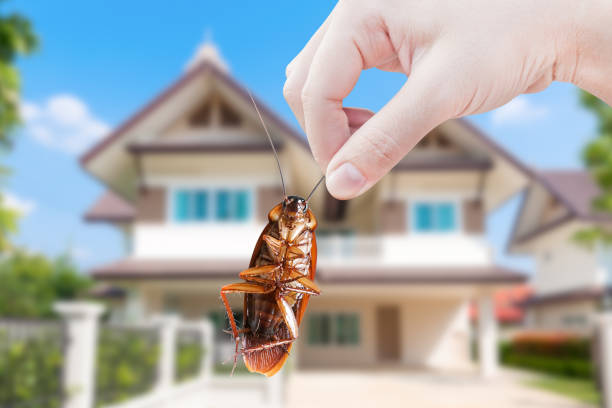
Protecting Your Property with Effective Termite Prevention Strategies
Termites can cause significant damage to your property if left unchecked. While repairing termite-related damage can be costly and time-consuming, implementing effective prevention strategies is a proactive way to safeguard your home or business. Below are some key termite prevention strategies that can help you protect your investment.
Maintain Proper Moisture Control
Termites thrive in damp environments. Moisture provides the perfect conditions for termites to establish colonies and feed on wood structures. Addressing moisture issues around your property is one of the first steps in termite prevention.
- Fix Leaks: Repair leaking pipes, faucets, and air conditioning units promptly.
- Improve Drainage: Ensure proper drainage systems are in place around the foundation of your home.
- Reduce Humidity: Use dehumidifiers in areas prone to excessive moisture, such as basements or crawl spaces.
- Divert Water Away from Foundation: Install downspouts or gutters to prevent water from pooling near the base of your property.
Regularly Inspect and Maintain Wooden Structures
Wood is a primary food source for termites, so keeping wooden structures well-maintained is essential.
- Seal Cracks and Crevices: Fill gaps in doors, windows, and foundation walls where termites could enter.
- Use Treated Wood: Opt for pressure-treated or naturally resistant wood species when building decks or fences.
- Keep Firewood Away: Store firewood at least 20 feet away from your home and elevate it off the ground.
- Remove Dead Tree Stumps: Decaying wood near your property attracts termites, so remove old stumps promptly.
Create Physical Barriers
Physical barriers can prevent termites from entering buildings by blocking their access points underground.
| Barrier Type | Description |
| Stainless Steel Mesh | Fine mesh installed around foundations to block termite entry. |
| Sand Barriers | Granular sand barriers create an environment that is difficult for termites to tunnel through. |
These barriers are typically installed during construction but may also be added during renovations.
Avoid Soil-to-Wood Contact
Direct contact between soil and wood provides easy access for subterranean termites. Make sure there’s a buffer between any wooden parts of your structure and the ground.
- Keep wooden siding at least 6 inches above soil level.
- Use concrete supports for decking instead of placing posts directly into the soil.
Schedule Routine Termite Inspections
Even with preventive measures in place, regular inspections by a licensed pest control professional are critical. Professional inspections can identify early signs of termite activity before infestations become severe. Inspections should typically occur annually or semi-annually, depending on risk factors like geographic location or prior infestations.
By combining these strategies with consistent monitoring and proactive maintenance, property owners can significantly reduce their risk of termite damage while preserving long-term structural integrity.
Why Regular Termite Inspections Are Crucial for Long-Term Property Health
Termites are among the most destructive pests that can invade a property. Left unchecked, they have the potential to wreak havoc on your home’s structural integrity, leading to costly repairs and diminished property value. Regular termite inspections play a vital role in maintaining the long-term health of your property. Here’s why they should be a priority for every homeowner.
Early Detection Prevents Costly Damage
One of the most significant benefits of regular termite inspections is early detection. Termites are often referred to as “silent destroyers” because they can remain hidden within walls, floors, or foundations while causing extensive damage. Scheduling routine inspections allows professionals to identify infestations in their early stages, minimizing repair costs and preventing further damage.
Without early detection, homeowners may face:
– Structural damage to wood beams, floors, and ceilings
– Compromised foundational integrity
– Expensive home repairs ranging from thousands to tens of thousands of dollars
Protecting Your Property’s Value
A home with an untreated termite problem may lose a significant portion of its market value. Conducting regular inspections reassures potential buyers that your property is free from infestations and structurally sound. This proactive approach demonstrates responsible ownership and protects your financial investment in the long run.
| Scenario | Likely Outcome |
| Routine termite inspections | Maintains or increases property value |
| Untreated termite infestation | Decreases property value; potential buyer deterrent |
Prevention Is More Affordable Than Repairs
The cost of regular termite inspections pales in comparison to the expenses tied to repairing severe damage caused by undetected termites. Inspections provide an opportunity for homeowners to address small issues before they escalate into major financial burdens.
Costs breakdown:
– Regular inspection cost: Typically ranges from $50-$250 depending on home size and location
– Repair costs after significant infestation: May exceed $10,000 or more depending on severity
Investing in routine inspections ensures that you save money over time by avoiding expensive repairs down the road.
Peace of Mind for Homeowners
Owning a home involves many responsibilities, but protecting it from termites should be at the top of the list. Knowing that your home is being routinely inspected provides peace of mind and eliminates uncertainty about potential hidden infestations.
Benefits include:
– Confidence that your home is safe from pests
– Reduced stress related to unexpected repair costs
– Improved overall property maintenance practices
The Role of Professional Inspectors
Professional pest control companies bring expertise and specialized tools necessary for thorough assessments. They can identify subtle signs of termites that homeowners might miss, such as mud tubes or hollow-sounding wood.
Key inspection components include:
1. Examination of both interior and exterior areas for signs of infestation
2. Use of advanced detection equipment like moisture meters or thermal imaging cameras
3. Recommendations for treatment plans if activity is detected
Regular engagement with professionals ensures effective monitoring and keeps your home protected year-round.
By making termite inspections a recurring part of your home maintenance strategy, you safeguard both its structural health and financial value over time while reducing risks associated with costly infestations.
- Why Every Homeowner in Davie FL Should Choose a Pest Control Company for Annual Termite Inspections
- The Importance of Davie FL Pest Control for Protecting Your Property
- Effective Pest Removal in Davie, FL: New Construction Inspections and Termite Prevention
- Why Regular Termite Inspections Are Essential for Pest Control Services Davie FL Homeowners
- Why Davie FL Pest Control Is Essential for Termite Inspections
- Why Hiring a Pest Control Company Davie FL is Essential for Termite Control and Home Protection
- Understanding Termite Inspections: Why a Pest Control Company Davie FL Recommends Them for Your Home